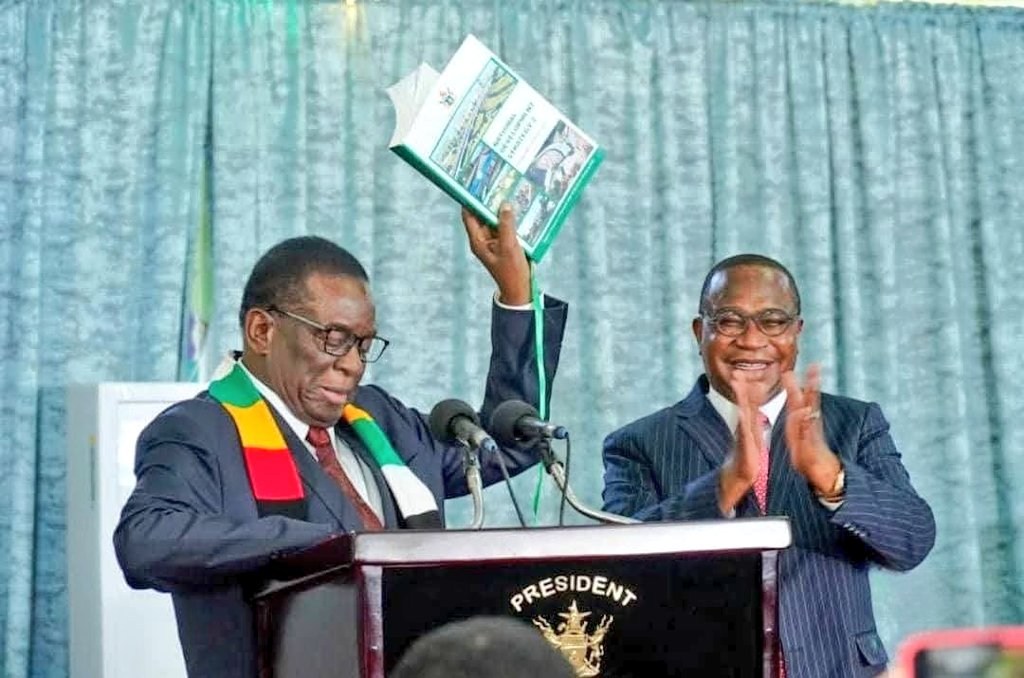
TREASURY is pushing its 2026 National Budget proposals, saying the policy measures are designed to sustain the country’s economic growth momentum, enhance revenue mobilisation and reinforce macroeconomic stability.
This follows representations by business member groups (BMOS), which raised several reservations about the implications of some of the policy proposals, especially tax measures, in the 2026 National Budget presented on November 27.
Several captains of industry and commerce who attended a Post-Budget Breakfast meeting hosted by Zimpapers and the Confederation of Zimbabwe Industries in Harare yesterday urged the Government to review some of the policy measures to avoid unintended consequences on the economy.
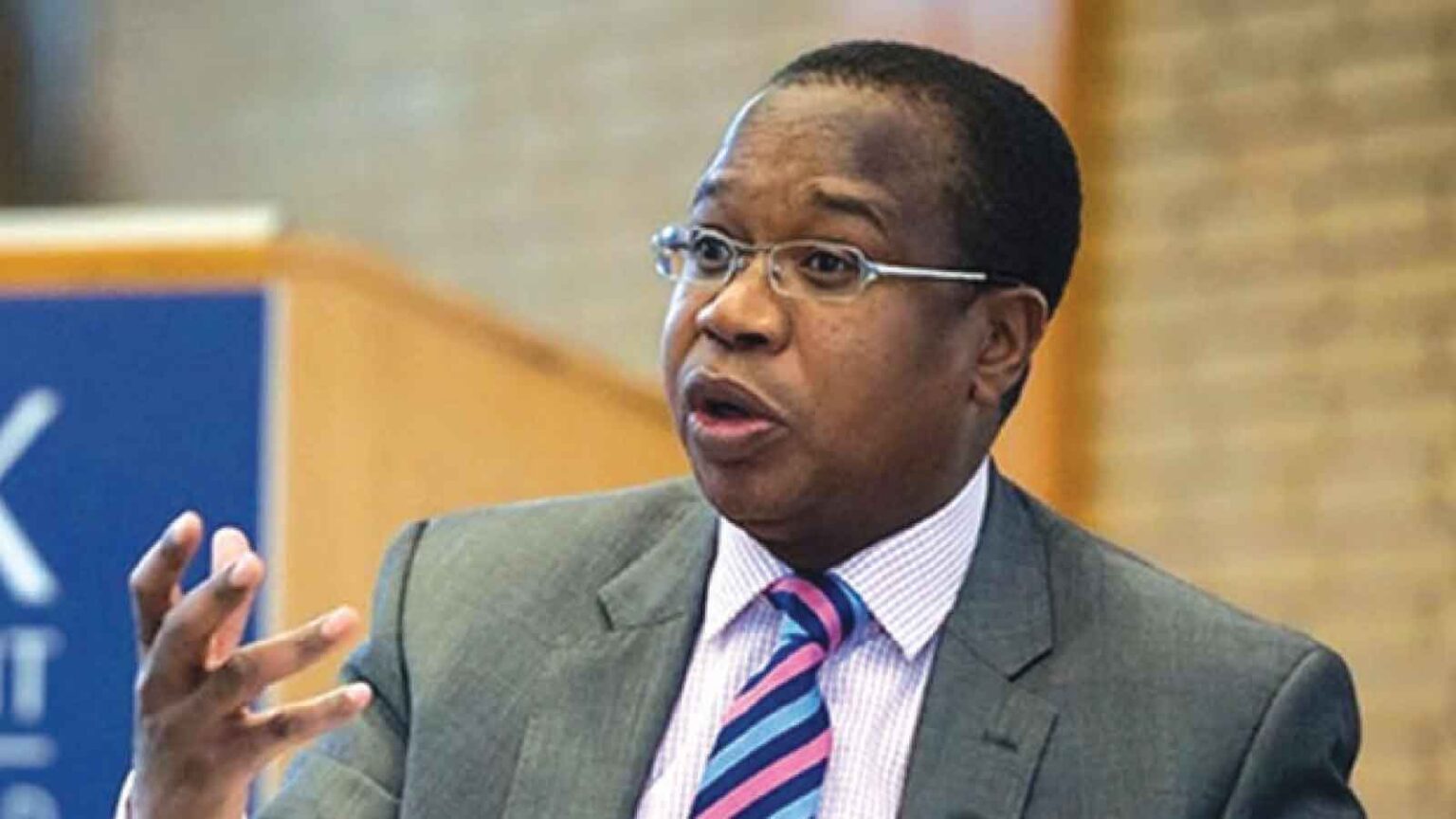
While reaffirming his stance regarding the broad thrust of the 2026 expenditure plan, Finance, Economic Development and Investment Promotion Minister Professor Mthuli Ncube acknowledged that some policy measures may, however, require refinement to maintain competitiveness.
Responding to stakeholder concerns, Minister Ncube reiterated that Treasury was committed to a balanced and growth-oriented policy environment.
The Minister responded to reservations from business leaders and economists over the continued impact of the Intermediated Money Transfer Tax (IMTT), which businesses have long lobbied to be scrapped or reviewed.
“The idea of tax deductibility of IMTT came from the private sector and we have now implemented it, albeit after two years.”
He added that the Government had also introduced a 0,5 percent reduction in the ZiG IMTT rate to support digital transactions.
On VAT adjustments, the minister said the measure was critical for revenue mobilisation. “VAT will help the economy in raising income for the Government to redistribute to the vulnerable. There is no effect on the poor, as 14 basic household goods remain zero-rated,” he noted.
Acknowledging concerns from miners, the Minister said the Government always tries to balance fairness, resource depletion and the cost of doing business.
Permanent Secretary for Finance, Economic Development and Investment Promotion, Mr George Guvamatanga, clarified Treasury’s position on debt and cash transactions, which economists say may drive the public from formal banking.
He confirmed that by September 2025, all outstanding Treasury bills had been cleared, leaving only legacy-debt instruments.
On the cash-withdrawal levy proposal in the budget, Mr Guvamatanga said it was designed to curb hoarding of cash.-herald