Seed Co Limited continues to benefit from its regional footprint and the synergies of its regional unit, Seed Co International, to deepen market access and drive export growth.
The group has benefited directly from the associated revenue and profitability growth of the regional operations.
The company, in its half-year financials for the period ended September 30, 2025, added that the business is positioned to respond to evolving market opportunities in the second-half and beyond, supporting national and regional food security initiatives.
For the first half-year period, the company’s revenue was US$11,6 million, reflecting a 39 percent year-on-year decline primarily due to timing differences in the agricultural cycle, reduced exports as regional supplies recovered this year and a smaller winter wheat season.
“The first-half of FY2026 reflected a period of strategic adjustment and disciplined execution across the business.
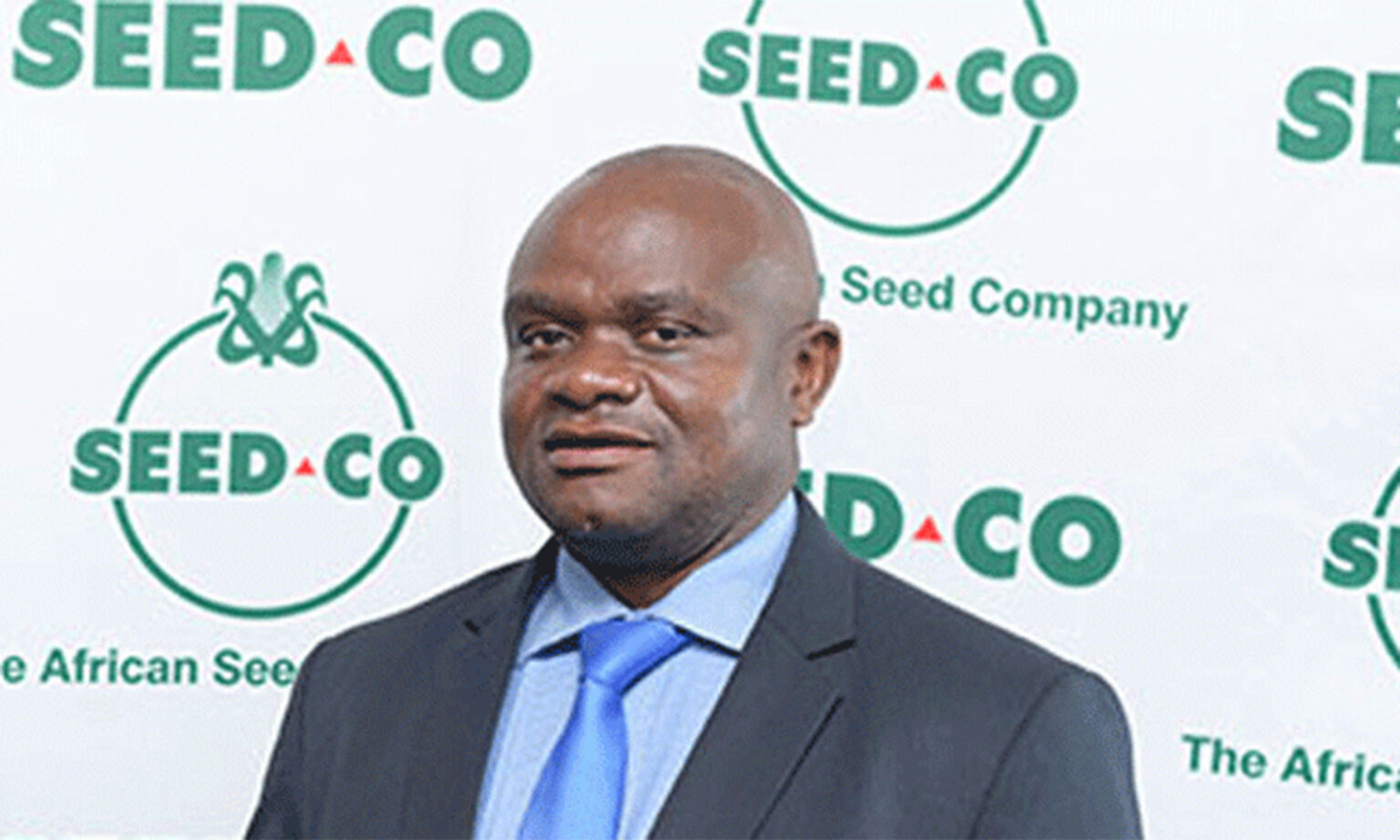
“While trading activity was lower than the prior year, the operating environment continued to stabilise, underpinned by improved price stability, moderated inflation, and strengthening market confidence,” group chief executive Mr Morgan Nzwere said in the statement of the financials.
He said the company maintained a firm focus on aligning operations with emerging market dynamics, preserving value through cost control, and advancing its innovation and product development agenda.
Despite the weaker first-half, Mr Nzwere said Seed Co is well-positioned to capture opportunities in the remainder of the financial year, benefiting from a lift in activity as farmers prepare for the 2025/26 summer season, with improved planting momentum.
“While the lower base will weigh on full-year results, we remain confident that the strategic focus on operational efficiency, cash flow discipline, and product innovation will sustain long-term shareholder value,” he said.
Mr Nzwere said that despite reduced volumes, the company’s underlying cost discipline remained strong, with operating expenses largely consistent with the prior year, demonstrating management’s continued emphasis on operational efficiency in a fully dollarised cost base.
He said gross margins were resilient relative to the market context, while cash flow generation turned positive because of tighter working capital management and a deliberate focus on collections and inventory optimisation.
The group’s finance costs increased in line with the company’s use of short-term facilities to bridge delayed receipts from debtors.
“In the absence of currency distortions and reduced volume performance, the business posted an interim loss of US$5,7 million compared to a profit of US$1,2 million in the prior year’s same period.
“This reflects normalisation of the seasonality of the business, characterised by wheat and barley sales mainly and cost accumulation in the first half, under stable USD functional currency reporting,” said Mr Nzwere.
He noted that the business maintained a sound balance sheet, with shareholders’ equity of US$120,8 million anchored significantly by property, plant and equipment as well as inventory and debtors.
On research and development, Mr Nzwere said Seed Co’s long-standing investment in research remains the foundation of its competitiveness and resilience.
During the review period, he said the company broadened its maize seed portfolio with the introduction of medium-maturity hybrids SC661 and SC657, both developed for stable performance across variable rainfall zones.
“The new high-yielding white flour-coloured wheat variety, SC W9104, further diversifies the product offering and enhances value to growers,” said Mr Nzwere.-herald