Zimbabwe’s capital markets are poised for deeper transformation in 2026, driven by ongoing regulatory reforms, new disclosure requirements and strengthened investor-protection mechanisms.
SECZim is a statutory body responsible for regulating and supervising the country’s securities and capital markets. Its primary goal is to protect investors and promote the development of free, fair and orderly capital markets in Zimbabwe.
Mrs Grace Berejena, the SECZim acting chief executive, in an interview, said progress made in 2025 has laid the groundwork for stronger market performance.
“The commission reinforced compliance through proportionate enforcement actions, while new legislation enabling the Zimbabwe Stock Exchange to self-list through ZSE Holdings enhanced institutional independence, transparency and alignment with international best practices.
“Enhanced oversight of financial crime and compliance risks also played a role, as reflected by the marginal improvement in the SECZim 2025 money-laundering sector risk-assessment rating from 0,40 to 0,39.
“This indicates that capital markets participants are gradually responding to supervisory reforms and tightening their internal controls,” she said.
However, she noted that further progress is required as we move into 2026, and the key priorities include expanding the range and number of listings, particularly viable products.
“The products such as exchange-traded funds (ETFs) and real estate investment trusts (REITs), strengthening investor education and outreach, including targeting diaspora investors, and maintaining consistent, credible regulatory enforcement to support long-term market development,” said Mrs Berejena.
The regulator also confirmed that market participants will face new compliance and disclosure requirements next year. These include disclosure of new capital levels under the SECZim Capital Adequacy Framework and adherence to Guidelines on Settlement of Financial Assets.
Firms will also be required to comply with Guidelines on Suspicious Activity Indicators and Red Flags for Securities Investment Managers, the Climate Risk Management Framework, and the Code of Conduct.
Mrs Berejena said to stimulate new listings and deepen capital-market activity, SECZim has adopted a multi-pronged approach.
The key highlights include reviving the bond market through predictable issuance calendars and diversified instruments, using the ZSE Holdings listing as a proof-of-concept to attract large corporates and working with the Government to develop a listing and investment incentive package.
The regulator also plans to roll out a regional and diaspora investor outreach initiative and an SME capital markets access programme, which will provide training, simplified listing requirements, lower fees and advisory support.
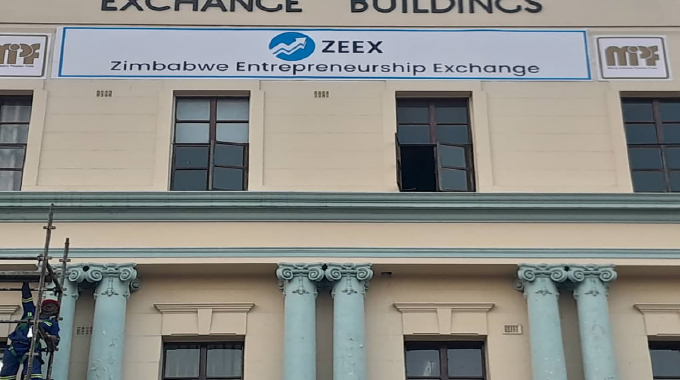
It also aims to encourage SME participation on alternative trading platforms such as the Financial Securities Exchange and the forthcoming Zimbabwe Entrepreneurship Exchange (ZEEX).
“The Commission will continue working with the Government and the Reserve Bank of Zimbabwe (RBZ) to maintain ‘stability, clarity, and predictability in macroeconomic policy,” said Mrs Berejena.
On investor protection measures, she highlighted that several initiatives undertaken in 2025 have reinforced investor protection.
“In July 2025, SECZim assumed direct responsibility for administering unclaimed shares,” the regulator noted. Further, a Memorandum of Understanding was signed in November 2025 with the Consumer Protection Commission to jointly safeguard consumers and investors in financial services markets.
The commission said it enhanced AML/CFT and market-integrity oversight to reduce fraud and misconduct and is amending the Securities and Exchange Act to broaden its supervisory mandate and introduce civil penalties.
“The reforms aim to align Zimbabwe more closely with international best practices,” said Mrs Berejena.
She also noted that public education initiatives were also intensified, including a nationwide “train-the-trainer” programme for schoolteachers in November 2025 and the establishment of a Capital Market Institute in partnership with a local university.
Mrs Berejena said the Commission is leveraging financial-technology initiatives to expand retail participation and support new product development.
She highlighted that the Innovation Office, established in 2023 and the Regulatory Sandbox approved in November 2024 are central tools to balance innovation with investor protection.
“SECZim also continues to work together with the market, which is now providing mobile trading apps, alternative trading platforms, and demo trading platforms, which are more beneficial for retail investor access and participation in the market,” revealed Mrs Berejena.-herald