The Government has lined up an ambitious portfolio of electricity generation projects under the National Development Strategy 2, targeting more than a doubling of national power output capacity from 2 950MW to 6 000MW.
Adequate power production capacity to meet the domestic demand is crucial as the country accelerates its march towards Vision 2030 of an empowered upper-middle-income society.
NDS2, Zimbabwe’s second five-year development plan launched last week, seeks to transform the economy into “a prosperous and empowered upper middle-income society”, with a reliable energy supply identified as a core enabler of industrialisation, digitalisation and broad-based growth.
Electricity is considered the backbone of modern economic development, underpinning manufacturing productivity, public service delivery, mining operations, rural industrialisation, e-mobility, irrigation agriculture and digital connectivity.
Energy experts say that without a stable and affordable power supply, the targets of Vision 2030 cannot be fully realised.
To support this transformation, the 2026 National Budget indicates that strategic investment mobilisation totalling over US$9 billion is envisioned for the 2025-2030 period, with approximately US$4,4 billion expected from the private sector, complemented by public funding and development partner support.
The Government has, during 2025, rolled out a range of policy instruments to guide energy planning, including the Zimbabwe National Energy Compact, the National Electrification Strategy, the E-Mobility Framework, the Energy Efficiency Policy and the National Integrated Energy Resource Plan (NIERP).
Collectively, these provide the backbone for energy security, diversification, low-carbon transition and improved efficiency.
Public-private partnerships will be strengthened, particularly those that allow large-scale industrial users to import power directly from the Southern African Power Pool (SAPP), easing pressure on the national grid.
As part of the energy compact initiative, developed with the African Development Bank and the World Bank, the Government has committed to delivering universal access to “reliable, affordable and sustainable energy by 2030”, a key pillar for inclusive growth and climate resilience.
Reads part of the NDS 2 document: “During NDS 2, national electricity generation capacity is targeted to increase from the current 2 950 MW to 6 000 MW, driven by both Government and private sector led projects. To realise this target, a portfolio of short, medium and long-term electricity generation projects will be implemented across the country.”
Among the flagship projects is the Batoka Hydro Power Project, jointly promoted and owned by Zimbabwe and Zambia.
“The Batoka Hydro Power Project, jointly owned by Zimbabwe and Zambia, is scheduled to commence during NDS 2. Zimbabwe will benefit 1 200MW from the project.”
The Hwange generating units 1–6 rehabilitation project will also play a pivotal role in restoring ageing thermal capacity.
“The Hwange 1–6 rehabilitation project will be implemented through a public-private partnership at an estimated cost of US$455 million, with completion expected by 2028. The project will feed 700 MW to the national grid, with an extended operational life of over 20 years.”
Business strategist Mr Busani Malaba welcomed the NDS2 power programme saying it marks “the most comprehensive and diversified energy investment plan in two decades”.
He added: “If the Government maintains the current momentum in project preparation, financing and PPP structuring, Zimbabwe will meet the 6 000MW target. The transmission upgrades are particularly important because generation without evacuation capacity would cripple the grid.”
Mr Malaba said success would depend on “timely disbursements, transparent procurement and strict adherence to construction timelines.”
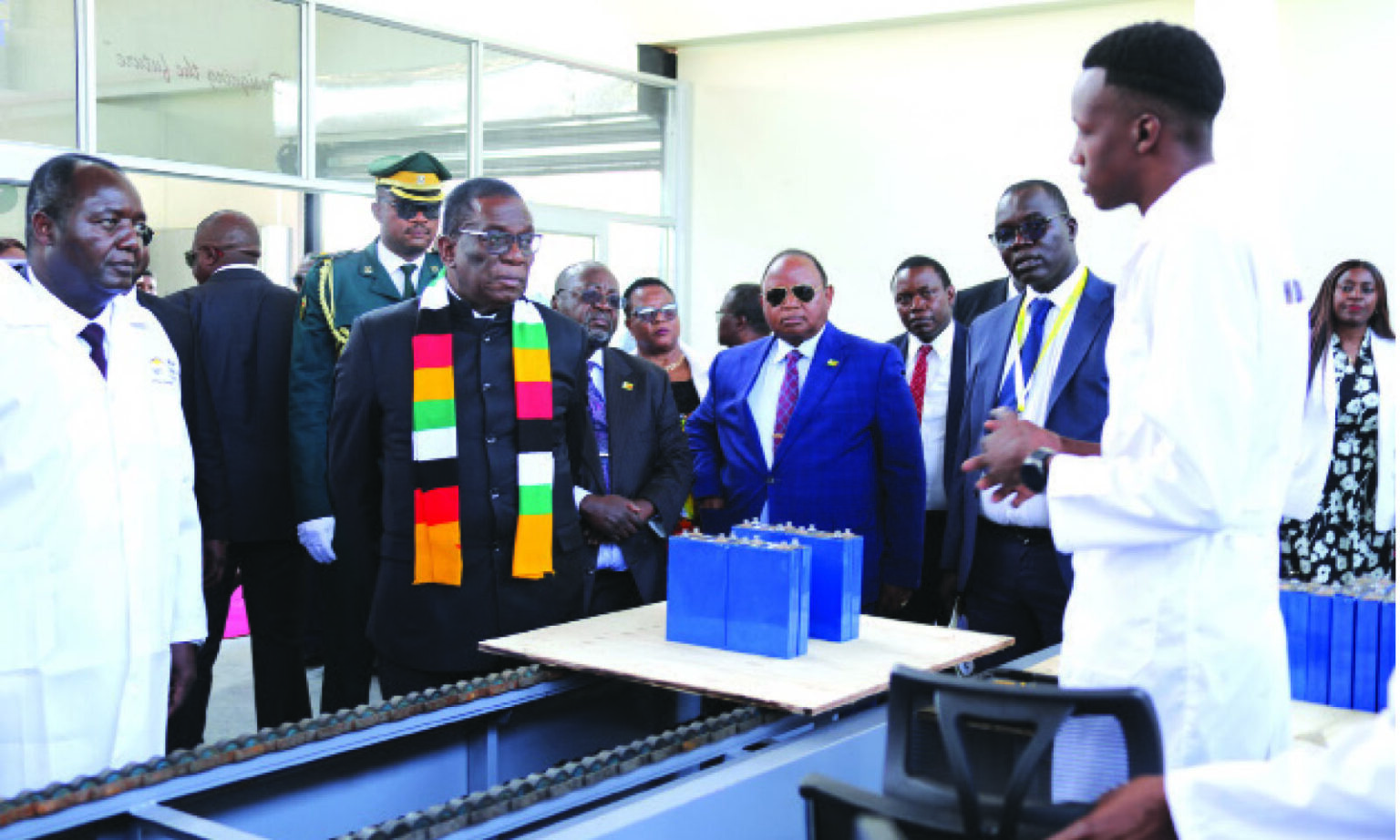
In addition, a large-scale battery energy storage system will be installed to stabilise the grid, consisting of 1,800MW-hours battery energy storage with capacity to provide 600MW dependable capacity at a cost of US$400 million, set for completion by 2027.
Gas-to-power will be expanded through a 500MW project rolled out in phases, drawing from Muzarabani and Lupane gas fields.
Hydropower development projects will include the 10MW Gwayi-Shangani Hydro Power Project worth US$25 million, implemented through a PPP model.
At Kariba, Unit 4 will be rehabilitated for US$4.4 million, restoring 125MW by 2027.
In the southern parts of the country, the 15MW Tugwi-Mukosi Hydro Power Project in Masvingo Province will be completed in 2027, financed under PPP arrangements.
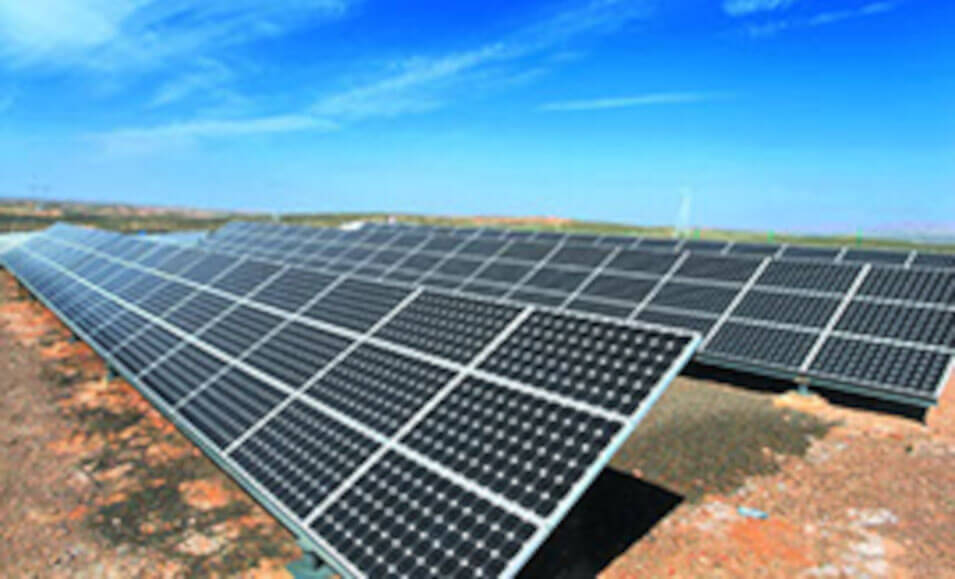
Solar energy will also be scaled up, including the 90MW Mutorashanga Solar Project valued at US$86 million.
Government says these diversified projects will “underpin sustained economic growth, enhance energy access for industry and households, and support the country’s long-term aspiration for a stable, modern and diversified energy system”.
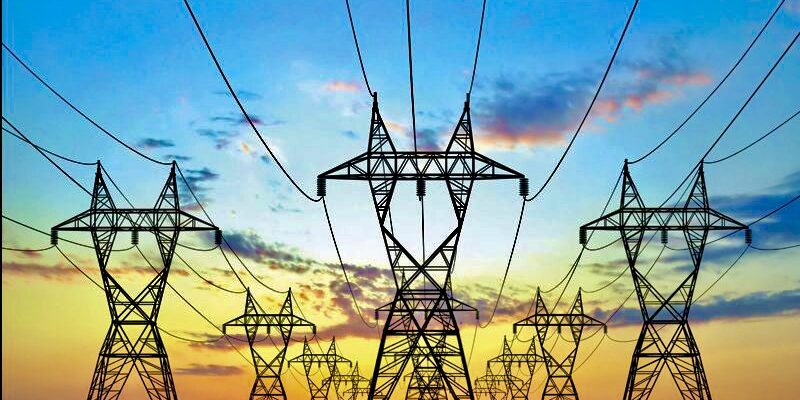
To fully absorb new generation capacity, the Government will prioritise upgrades to the transmission and distribution network, targeting expansion of the national grid by 1 715km.
Key projects include Hwange B–Sherwood B 330kV line (690km) project-US$386 million, whose completion is earmarked for 2028, Orange Grove–Triangle–Tugwi line (300km) – US$150 million, completion set for 2029 and Hwange–Mukuni (100km) – US$32 million.
Other notable projects are the Tugwi–Zvishavane (55km) at a cost of US$15 million, Hwange B–Deka 88kV (45km) – US$18 million envisaged to take one year to build and the Stamford–Westgate–Pomona 132kV (23km) for US$45 million.
Mining sector experts, whose industry is the country’s top foreign currency earner and is projected to continue expanding, said energy reliability will determine whether Zimbabwe sustains its growth trajectory.
“Mining is an energy-intensive sector from crushing, smelting, ventilation and dewatering to processing. Without reliable electricity, the cost of production shoots up, output declines and investors hesitate. The NDS 2 projects are a critical step toward ensuring the sector hits and surpasses its targets,” Mr Gilbert Dube, a mining sector analyst, said.
He added that new lithium, platinum, chrome and gold projects require “guaranteed power supply before committing capital”.
“The mining sector is growing fast, especially with new lithium processing and beneficiation projects. These plants require significant, uninterrupted power. The generation and transmission investments planned under NDS 2 will support mining value addition, create jobs and increase export earnings.”
Mr Dube underscored the importance of the battery storage system and the expansion of solar and gas-to-power technologies.
“The energy mix under NDS 2 is exactly what Zimbabwe needs for Vision 2030. Storage investments will stabilise supply, while new gas finds offer baseload power to complement hydropower and solar.
“What is required now is strong regulatory consistency to attract private capital.”
Finance, Economic Development and Investment Promotions Minister Professor Mthuli Ncube said the energy compact initiative integrated key pillars encompassing infrastructure expansion, regional integration, last-mile access acceleration, private sector engagement and strengthening of utility financial viability and governance.
“ Priority in 2026 will be on operational improvements in order to realise improved cost recovery, supported by advanced metering technologies and transparent financial reporting.
“In addition, the Government is committed to resolving legacy debt challenges that have constrained sector performance and investment capacity.
“To ensure effective execution and transparency, the Programme will be supported by a comprehensive monitoring and evaluation framework designed to assess progress, facilitate accountability and optimise resource utilisation in alignment with the Energy Compact targets.”
He noted that development partners have committed US$2 million to support the energy sector in 2026 to complement the Government’s efforts to improve access to electricity in both rural and urban communities.
“ This will promote use of green energy sources, enhance efficiency and productive use of energy and provision of technical assistance for the sustainability of the sector, thereby contributing to the country’s Energy Compact targets,” said Prof Ncube.
With Zimbabwe aiming to industrialise, expand mining output beyond US$12 billion, roll out smart agriculture, digitalise public services and attract more private investment, experts say reliable electricity supply will be the ultimate catalyst.
NDS 2’s ambitious pipeline of generation, transmission and distribution projects positions the country to meet rising energy demand while powering the journey toward an upper middle-income economy by 2030.
As implementation gathers pace, focus will remain on accelerating construction timelines, mobilising financing and ensuring that ongoing electricity projects translate into tangible improvements for citizens and industry.-herald