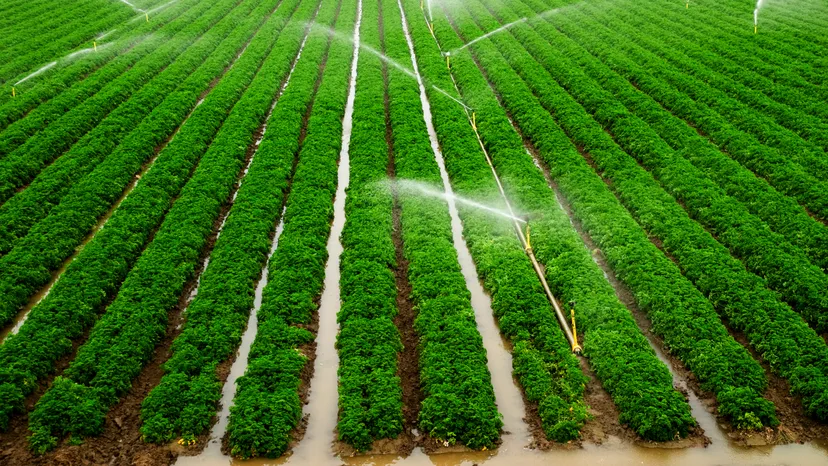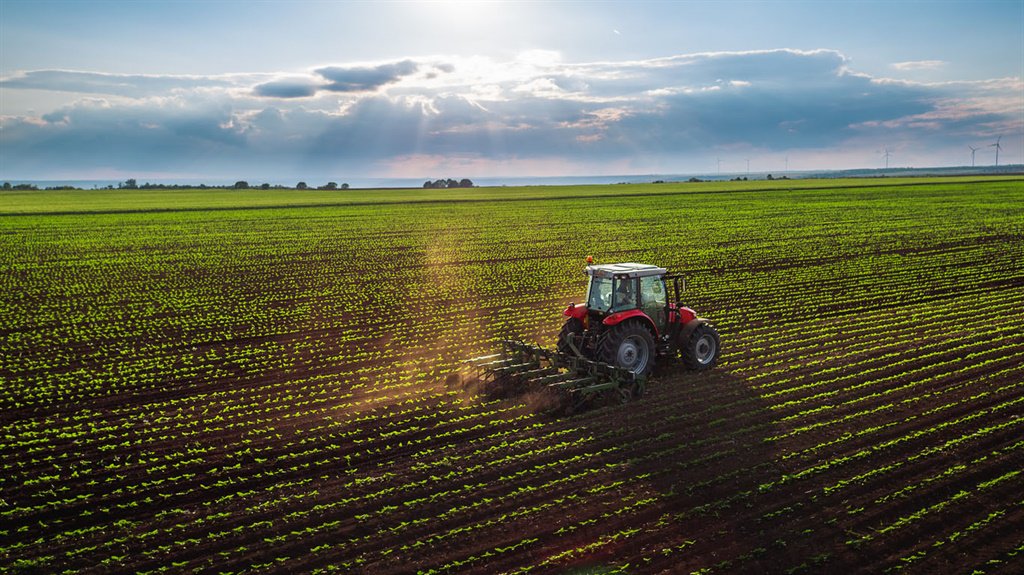
FOLLOWING the devastating effects of El Niño drought in the 2023/2024 season, the agricultural sector rebounded strongly this year and is expected to lead sectoral economic growth with a projected 2,2 percent contribution to the overall 6,6 percent 2025 forecast growth this year.
In 2024, the agriculture sector’s Gross Domestic Product (GDP) declined by 18,1 percent as a result of the El Niño-induced drought.
Due to favourable weather patterns during the 2024-25 season, the sector growth caused a revision of this year’s GDP growth rate from 6 to 6,6 percent.
Presenting the 2026 National Budget recently, Finance, Economic Development and Investment Promotion Minister, Professor Mthuli Ncube, said the domestic economy was projected to achieve a 6,6 percent growth this year.
“The domestic economy is now projected to achieve growth of 6,6 percent in 2025, an upward revision of 0,6 percentage points from the initial forecast of 6 percent.
“The revised projection is primarily on account of strong recovery in the agricultural sector, which is expected to record growth of 24 percent,” he said.
Prof Ncube revealed that in terms of contribution to Gross Domestic Product growth, the agriculture sector remains the major driver of economic activity in 2025, contributing 2,2 percent to overall growth, representing a 33 percent share of this year’s projected GDP growth.
The 2024/25 favourable agricultural season contributed to price and exchange rate stability through increased domestic food supply.
Among the drivers of this growth are tobacco, wheat, cereal and blueberry value chains, which broke production records.
Tobacco production rose 53 percent from 232 million kilogrammes in 2024 to 355 million kg this year.
Farmers grossed US$1,2 billion from the sale of the golden leaf on the country’s auction and contract floors, a 48 percent surge from US$794 million last year.
This year’s record tobacco output eclipsed both the National Development Strategy 1 (NDS1) and Tobacco Value Chain Transformation Plan (TVCTP), which set a target of 300 million kg by 2025 by 18 percent.
Zimbabwe’s export earnings from tobacco this year are also expected to overtake last year’s US$1,4 billion, as currently tobacco exports have generated US$1,1 billion between January and November from the sale of 201,415 million kilogrammes of the semi-processed crop at an average price of US$5,66 per kg.
Statistics from the Tobacco Industry and Marketing Board (TIMB) indicate that during the same period last year, the country had exported 208,4 million kilogrammes of the crop valued at US$1 billion at an average price of US$5,52 per kg.
Zimbabwe produced a record-breaking wheat harvest for the 2025 winter season, where 640 195 tonnes were achieved, the highest-ever wheat harvest in the country’s history.
The country requires about 360 000 tonnes of wheat per year to ensure an adequate supply of bread and associated products.
The latest harvest marks the third consecutive year of wheat self-sufficiency.
This year’s wheat production marks a 14 percent rise from last year’s 562 091 tonnes.
The Crops, Livestock and Fisheries Assessment 2 (CLAFA 2) report indicated a 290 percent increase in food crop production this year compared to last season.
Total maize, sorghum, pearl and finger millet, groundnut, round/bambara nut, sweet potato and sugar bean production rose from 843 761 tonnes in 2024 to 3 292 172 tonnes this year as a result of a good agricultural season.
Traditional grain production is estimated to be 634 650 tonnes, while total cereal production is expected to be 2 928 206 tonnes.
Cotton production also doubled from 13,8 million kg in 2024 to this year’s 29 million kg.
Within the horticulture sector, the blueberry subsector is expected to register a 50 percent surge in output from 8 000 tonnes last year to 12 000 tonnes this year.
Statistics from the Zimbabwe National Statistics Agency (ZimStats) show that the country earned US$10,403 million from berry exports from January to September this year, compared to US$7,789 million in 2024.
In volume terms, exports jumped 18 percent from 5 319 tonnes to 6 273 tonnes, while the average price also rose 13 percent from US$1,46 to US$1,66 per kilogramme.
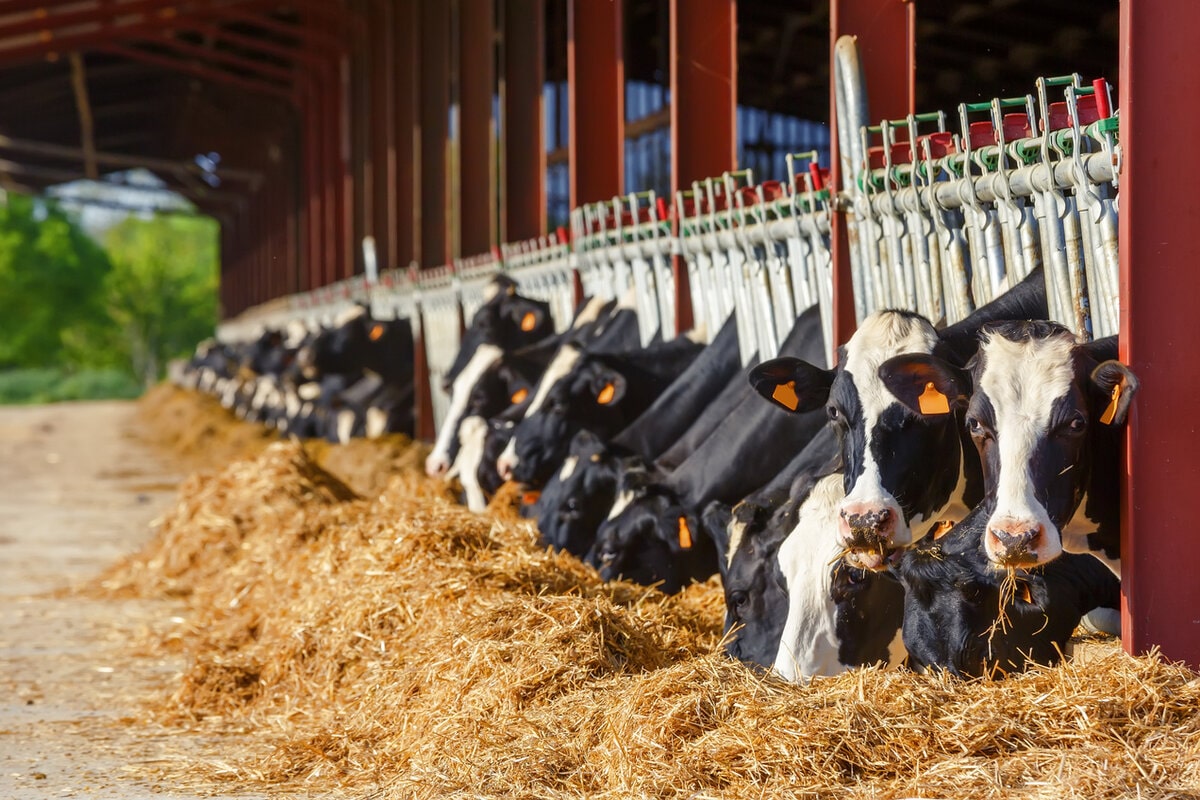
Under the livestock section, milk production is also expected to rise 15 percent from 115 million litres in 2024 to 130 million this year. Most livestock sections are also expected to rise as a result of the availability of feed from good grazing pastures.
Fisheries and aquaculture production is expected to grow due to the Government’s dam stocking exercise with fingerlings.-herald