Zimbabwe is intensifying efforts towards renewable energy transition, with the Government committing to expand rural electrification, unlock private investment and strengthen policy reforms to support the country’s fast-growing solar energy sector.
Speaking at the Solar and Storage 2025 Programme, deputy director in the Ministry of Energy and Power Development, Mr Isaac Chiridza, said renewable energy had become central to Zimbabwe’s long-term development priorities.
“Renewable energy is not just a matter of environmental necessity; it is a pathway to sustainable development, economic stability and energy independence, and it is a national commitment to transforming the energy landscape,” he said.
This year’s Solar and Storage Week Programme was organised by the Solar Quarter under the theme “Powering Zimbabwe’s Energy Transition”, focusing on unlocking solar potential through critical policy reforms, investment flows and local innovation.
Key participants included Powermec, a division of Zimbabwe Stock Exchange-listed Zimplow and the official distributor of Aiko technologies in Zimbabwe. Discussions centred on the growing importance of renewable energy and its positive impact on national development.
Mr Chiridza said the urgency of strengthening the transition to renewable energy had never been greater, noting that collective efforts will drive the shift the country so desperately requires.
“At the core of our energy transition lies the imperative to ensure that every Zimbabwean has access to electricity.
“The Government has committed to electrifying 1,2 million households by 2030, acknowledging that energy access is fundamental to economic development and an improved quality of life,” he said.
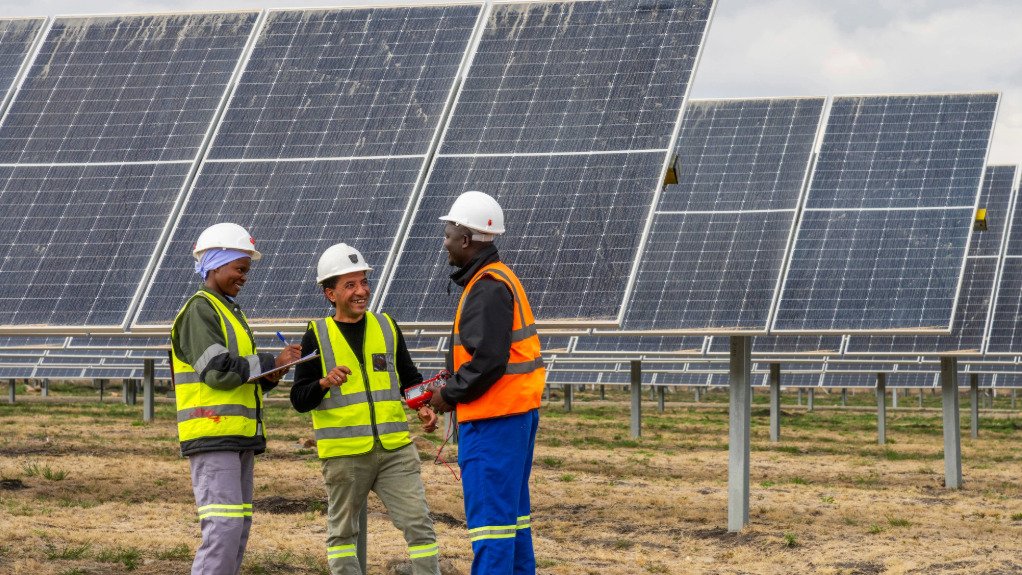
He added that the Government is actively promoting the deployment of rural solar mini-grids, which not only provide clean energy to remote communities but also empower local economies through job creation and enhanced access to essential services.
Zimbabwe launched a dedicated renewable energy policy in 2012 with the aim of addressing the country’s power supply gap and expanding access, particularly in rural areas.
Mr Chiridza said this proactive framework had spurred growth in distributed renewable technologies and paved the way for a vibrant solar industry. Among the key initiatives, he said, is the Solar Water Heating Programme, which aims to install at least 250 000 solar water heater units to reduce electricity consumption through thermal efficiency.
Solar Street Lighting Programme targets improved urban safety and lower energy costs using solar-powered LED street lights.
The Solar Mini-Grid Programme, delivered through the Rural Electrification Fund (REF), provides clean electricity to rural communities through microgrid systems. Independent Power Producer (IPP) Programme, which encourages private investment and has already delivered multiple photovoltaic solar plants contributing to grid stability.
“To date, we have several operational plants, including the 25 megawatts (MW) Centragrid project and the 35MW Zimplats Project. Our ambition continues with projects like the upcoming New Glovers 10MW solar project,” said Mr Chiridza.
Mr Chiridza said the Government’s long-term ambition was outlined in Zimbabwe’s National Energy Compact, which seeks to mobilise more than US$9 billion largely through private sector participation.
Achieving this, he said, required targeted policy interventions that strengthen investor confidence and define a clear pathway for investment in renewable energy infrastructure.
Mr Chiridza emphasised that unlocking the country’s solar potential would require focused policy reforms, particularly those aimed at streamlining processes for Independent Power Producers and establishing robust regulatory mechanisms.
“To maximise our solar potential, we must prioritise policy reforms that enhance investor confidence and streamline processes for Independent Power Producers,” he said.
He added that introducing a regulatory framework to encourage blended financing options and risk-mitigation strategies had become imperative.
“Blended finance and concessional loans would be central to accelerating deployment of solar and storage projects by making them more bankable and attractive to investors,” he said.
He also highlighted Zimbabwe’s growing importance as a source of lithium, an essential component of battery storage systems, which presents another opportunity for the energy transition.
Mr Chiridza said lithium-ion batteries are vital for storing excess energy generated during peak sunlight hours, improving the performance and reliability of solar installations.
Renewable Energy Consultant Mr Isaiah Nyakusendwa said Zimbabwe should prioritise more investments in the transmission grid as the solar industry is expanding its potential.
He said Zimbabwean solar companies should take advantage of a regional window by the World Bank to access finances for new projects and retooling.
Mr Tinotenda Kapezi, sales technical lead at Powermec, said the strategic partnership with Aiko’s cutting-edge solar manufacturing expertise with Powermec aims to deliver dependable power solutions.
“We aim to empower businesses and communities with clean, efficient, and cost-effective energy systems, paving the way for a greener future, and deliver innovative solar technologies and reliable alternative energy solutions through a collaborative partnership that prioritises quality, affordability and long-term impact for our customers and communities,” he said.-herald