THE Directorate of Agricultural Research, Education and Specialist Services has started sesame seed breeding, with the planting material expected to be commercially available in 2027.
This comes as the Government moves to position sesame from a marginal to a strategic crop.
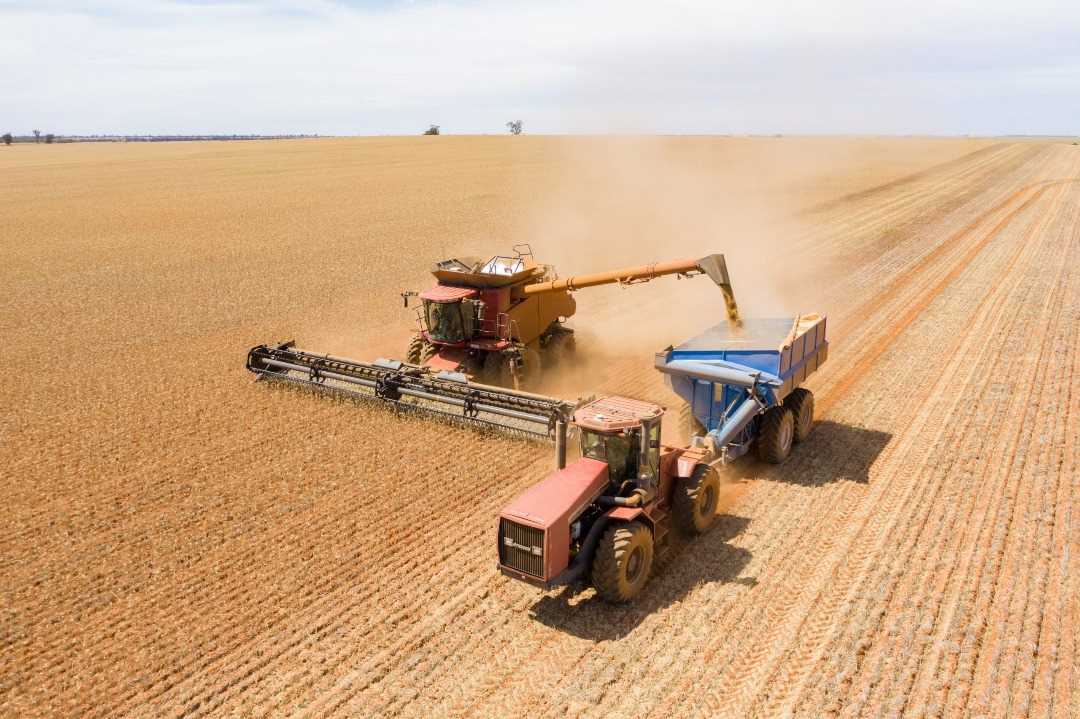
National sesame production has increased by 264 percent from 17 110 hectares in the 2018/19 season to 62 259 in the 2024/25 season, with production estimated at 20 667 tonnes.
The country’s sesame export earnings also rose by 1 685 percent from US$85 443 in 2019 to US$1 524 766 last year.
Zimbabwe is pursuing sesame seed production primarily to generate foreign currency earnings from a growing international export market and to improve food security and rural livelihoods by providing a climate-resilient crop for farmers in drought-prone areas.
In a speech delivered on his behalf by ARESS principal research officer, Mr Brian Neurashe, at the inaugural sesame Indaba hosted by Agricultural Marketing Authority in Harare on Wednesday, chief director Dr Dumisani Kutywayo, said their department had started sesame seed breeding.
“ARESS, in collaboration with the United Nations Development Programme carried out germplasm collection of sesame from five districts, which include Chimanimani, Chipinge, Chiredzi, Buhera and Mwenezi.
“ARESS has a mandate to develop, evaluate and release improved crop varieties,” said Dr Kutywayo.
Preliminary evaluations of the 72 lines were done on-station at Chiredzi Research Institute during the 2023/24 season and from the statistical analysis done, two main groups were identified (tall and short lines).
“A total of 12 were then selected, considering high yield and 12 for early maturity, making a total of 24 lines.
“In the 2024/25 season, characterisation was done following the International union for the Protection of New Varieties of Plants guidelines under on-farm trials in four farmer field schools in Chimanimani, Chipinge and Buhera districts,” he said.
Dr Kutywayo said characterisation results from 2024/25 on-farm evaluations came up with 17 desired lines out of the 24 characterised using UPOV guidelines and traits considered were high yield and early maturity, among other traits.
“The 17 lines to be sent for molecular tests to identify distinct lines for advancement, with presentation of the most promising lines in 2027 to the variety release committee.
“The import of varieties with desired attributes can also be done and tested for adaptability in Zimbabwe and registered,” Dr Kutywayo said.
Sesame production and productivity is below 0,5 tonnes per hectare as a result of limited access to improved varieties and a lack of farmers’ knowledge on the importance of this crop in improving livelihoods at the household level.
Currently, no registered seed houses are doing certified sesame seeds, with farmers making use of retained seed.
“Farmers currently growing sesame rely on landraces, which are also poorly characterised for their adaptation and performance for the other important biochemical attributes, in the diverse agro-ecological regions of the country.
“Globally, plant breeding is regarded as the most sustainable and cost-effective way to improve productivity of crops,” he Dr Kutywayo said.
Officially opening the Indaba, Lands, Agriculture, Fisheries, Water and Rural Development Permanent Secretary, Professor Obert Jiri, in a speech read on his behalf by Agricultural Rural Development and Advisory Services chief director, Mrs Medlinah Magwenzi, said sesame was no longer a marginal but a strategic crop.
“Globally. Demand for sesame is rising, driven by health-conscious consumers, the cosmetic industry and a growing appetite for plant-based oils and protein.
“Africa already supplies over 60 percent of the world’s sesame exports, yet Zimbabwe contributes only a fraction of that, this is a gap we can and must close,” he said.
Prof Jiri said sesame offered a high-value, low-input alternative that could be intercropped or rotated with other staples.
“With the right seed varieties, extension support and market linkages, farmers can double or triple their returns per hectare.
“For processors, there is untapped potential in value addition, while for financiers, sesame is a bankable crop and for development partners, it aligns with goals of food security, climate adaptation and women’s economic empowerment,” said Prof Jiri.-herald