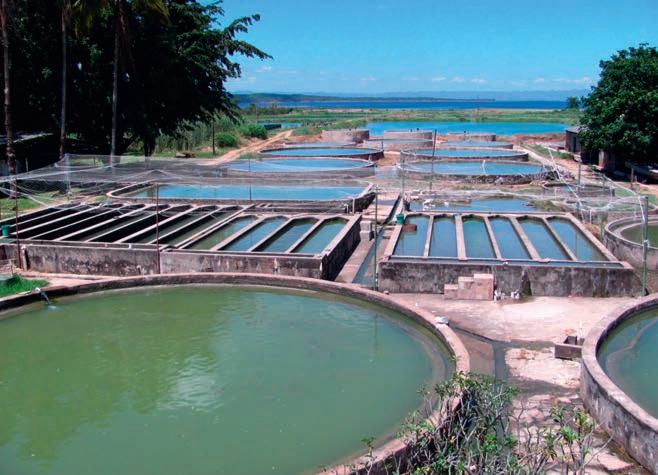
ZIMBABWE’S fast-growing fish farming industry has renewed calls for a dedicated aquaculture insurance package, warning that lack of proper cover is exposing farmers to enormous financial risks and undermining the sector’s development.
While insurance products for crop and livestock farmers have expanded in recent years through initiatives such as the Farmer’s Basket Insurance scheme developed by the Insurance Council of Zimbabwe and the Insurance and Pensions Commission, most of these facilities still exclude aquaculture, leaving fish producers without any meaningful safety net.
Zimbabwe Fish Producers Association chairperson Garikai Munatsirei said the absence of specialised fish insurance had become one of the industry’s biggest constraints.
He noted that although farming in all its forms requires risk-management tools, fish farmers in Zimbabwe and across Africa have no local insurers to rely on.
“This is farming and farming needs insurance. But for fish, unfortunately we have no one in the region or in Africa providing such insurance,” he told NewsDay in an interview.
“If you want insurance for fish, you go to Lloyd’s of London and that is not going to be cheap.”
Lloyd’s of London is the world’s oldest and most recognised specialist insurance marketplace.
Because aquaculture is seen as a technically challenging field with disease outbreaks, water contamination and temperature fluctuations that are difficult to predict, it falls into the category of high-risk ventures that only sophisticated markets such as Lloyd’s typically take on.
However, Munatsirei said this option was not practical for Zimbabwean farmers since premiums were extremely high.
With no local or regional insurer willing to cover fish farming risks, farmers are being forced to rely entirely on prevention rather than protection.
“Many in the sector believe that a locally-developed insurance product, priced and structured for Zimbabwean conditions, would unlock financing opportunities, reduce vulnerability and promote greater confidence in expanding production,” he said.
Munatsirei also highlighted additional challenges faced by fish farmers, including persistent shortage of fish feed and what he described as misaligned taxation policies.
He said the 15% value-added tax charged on local fish products made them more expensive than competing proteins such as chicken.
“That is not a good way to encourage the growth of the sector. We want to make sure that proteins fairly compete for consumer dollars,” he said.
To support growth, he appealed for temporary relief on import duties for aquaculture equipment, saying such measures will help small-scale producers in regions such as Matabeleland to expand production more quickly.
He added that the association was already working with the government to address some of these concerns, including the need for incentives and clearer pricing alignment in the sector. -nwsda