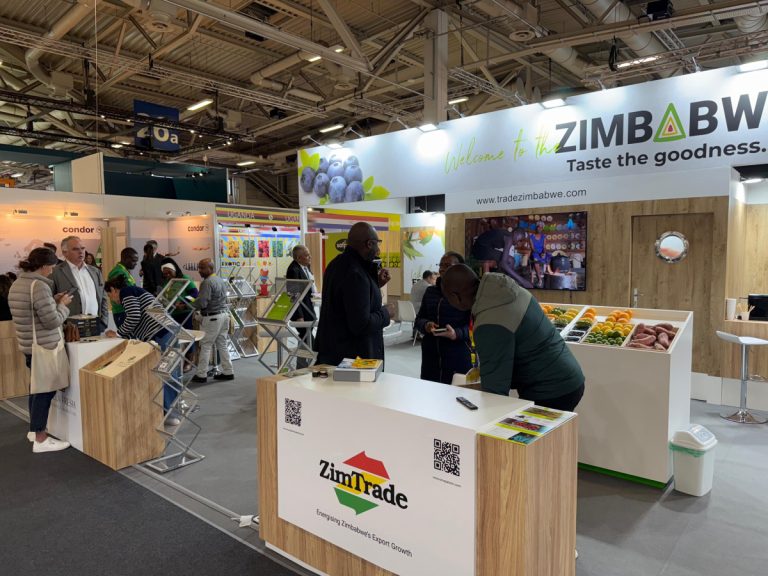
NATIONAL trade development and promotion agency ZimTrade is working closely with the International Trade Centre (ITC) to implement its SheTrades initiative, equipping female traders and women-led businesses with essential skills and knowledge.
Established in 2015, ITC’s SheTrades aims to create the right conditions and capacities for women to thrive in global trade. Its work is underpinned by the understanding that empowering women through trade requires activating all levers within the trade and business ecosystem.
SheTrades operates nationally and regionally anchored resource centres where women entrepreneurs can access training on key topics, as well as market and investment opportunities.
The global SheTrades community comprises 19 in-country hubs and two regional hubs across Africa, Asia, Latin America and the Caribbean, and the Middle East and North Africa.
Speaking at the SheTrades Market Intelligence Seminar in Harare on Monday, ZimTrade operations director Mr Similo Nkala highlighted how the partnership has strengthened export competitiveness among women-led businesses.
“This event is more than just a meeting; it is part of a powerful journey we have been on with ITC through the SheTrades initiative. Since 2023, this partnership has opened doors for Zimbabwean women-led enterprises, helping them grow through training, international missions, buyer engagements and sector development in textiles, creative goods and now, the essential oils sector,” he said.
He applauded ITC and the United Kingdom Government for their unwavering support through the SheTrades Commonwealth+ Programme.
Mr Nkala stressed the importance of helping exporters, particularly women-led businesses, understand the logistical systems that connect Zimbabwe to regional, continental and major European import hubs.
The sessions provided practical insights that directly influence competitiveness — from moving products efficiently and meeting documentation requirements to cutting costs and building strong partnerships.
Experts delivered presentations on regional and global logistics trends, export documentation and compliance, and key freight options available to Zimbabwean exporters.
Mr Nkala noted that these inputs were vital because challenges such as high transport costs, customs delays, border procedures and limited access to shipping networks ultimately affect exporters’ ability to meet delivery schedules and build trust with international buyers.
“We are fortunate to have with us organisations that play a significant role in the export ecosystem.”
National Handling Services gave a strategic overview of global logistics shifts that exporters must monitor, while
Plant Quarantine Services clarified compliance issues that often delay shipments if not well understood.
Freight forwarders such as Charlie Stevens International helped demystify cost structures and available freight routes.
Panel members from the Shipping and Forwarding Agents’ Association of Zimbabwe, DHL, Ecobank, Interlog and the Zimbabwe Cross-Border Association shared practical experiences that exporters cannot succeed without.
Mr Nkala said these contributions will help women-led businesses navigate real-world logistics challenges and identify practical solutions.
On Tuesday, the focus shifted to hands-on learning with a tour of BAK Logistics warehousing and cold chain facilities, followed by a visit to Usafi Oils for practical exposure to essential oil processing.
“These visits are meant to bridge the gap between theory and practice. While logistics may seem technical, it is at the heart of export success. Even the best product cannot compete if it cannot reach the market efficiently, affordably and on time,” added Mr Nkala.
“As ZimTrade, we remain committed to working with partners like ITC, SheTrades and all the institutions represented here to ensure that Zimbabwean exporters have the knowledge, networks and systems needed to compete on the global stage.”
The two-day seminar aimed to educate women on logistics and supply chain access for African and European destinations.-herald