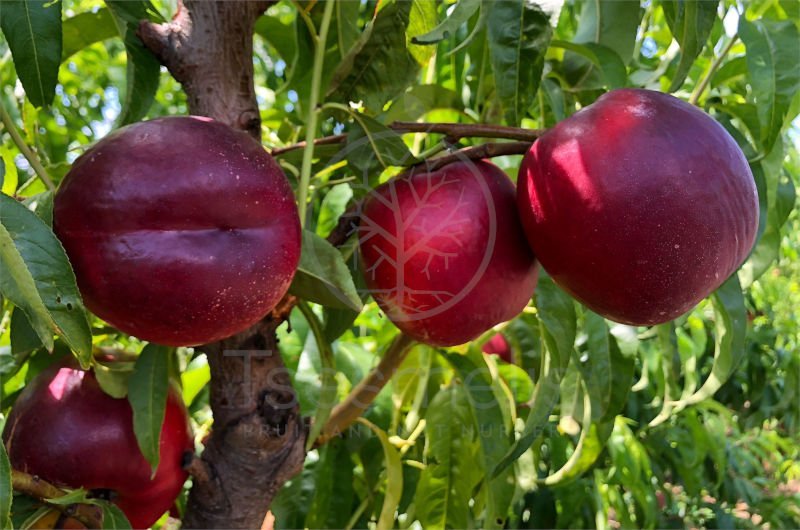
ZIMBABWE continues to increase its horticulture export basket to the United Kingdom with recent sightings of local nectarines in leading United Kingdom retailers testifying to this reality.
In a recent X post, Nature and Man, the Ministry of Lands, Agriculture, Fisheries, Water and Rural Development’s partner that showcases Zimbabwe’s resilience, innovation and impact, announced that nectarines were making a comeback on the UK market.
“Zimbabwean fruit is quietly making its way back onto UK shelves this time, Calypso in Sainsbury’s. It’s more than a product sighting, it’s proof that our exporters are getting back on track, standards are holding and confidence is returning.
“When Zimbabwean farmers align the basics, we take our place on the world stage,” reads the post.
This follows revelations by the British Embassy that Zimbabwe was supplying 60 percent of the UK’s sugar snap peas in addition to significant amounts of mangetout peas by capitalising on the Economic Partnership Agreement (EPA), which guarantees duty and quota-free exports.
Posting on its X (formerly Twitter) in Zimbabwe, the UK said that under its EPA with Zimbabwe, it had empowered 5 000 small-scale farmers with skills and resources to grow mangetout and sugar snap peas and provided employment for women as graders and packers.
Zimbabwe supplies 60 percent of the UK’s sugar snaps.
EPAs are permanent partnerships that encourage a progressive shift from aid to trade and investment as engines of growth, jobs and poverty reduction.
Zimbabwe is targeting US$500 million in horticulture exports by 2026
The Horticultural Development Council (HDC) is optimistic that the country’s horticulture exports will grow more than three times from US$120 million in 2024 to US$500 million next year as it lays its development plan for 2030.
According to the council, over the six years, the industry envisaged the horticulture sector to grow over 20 times to US$2,5 billion.
To achieve the 2030 milestones, the 2025/26 time frame will be the brand launch period, where bankable programmes and initial investments are secured.
The period 2027 to 2028 will be focused on scaled-up production, infrastructure build up and market expansion, while the 2029 to 2030 period will be seized with the attainment of the US$2,5 billion target under sustainability.
Horticulture encompasses food security, job creation, health and nutrition.
In 2020, the Government’s Horticultural Recovery and Growth Plan (HRGP) was crafted to stimulate conventional and rural horticulture production to accelerate production, productivity, profitability and value addition.
The plan was meant to contribute significantly to national food security and nutrition, import substitution, foreign currency generation, employment creation and raising household incomes in pursuit of Vision 2030.-herald