IN a concerted effort to safeguard Zimbabwe’s financial stability and maintain its international standing, the Reserve Bank of Zimbabwe’s Financial Intelligence Unit is reinforcing systems established under President Mnangagwa’s currency reforms.
These measures are designed to combat currency manipulation and money laundering, fostering renewed confidence among domestic investors.
The crackdown began in 2022 when President Mnangagwa introduced a series of financial and economic measures to counter currency sabotage and illicit financial flows, which had previously led to a severe devaluation of the local currency.
The RBZ deployed the FIU to restore sanity to the market, resulting in the arrest and prosecution of illegal money changers, currency saboteurs, and non-compliant businesses—including retailers, pharmacies, and law firms. Offenders faced convictions, warnings, fines, and frozen bank accounts until they complied with regulations.
These robust efforts were recognised internationally that same year when Zimbabwe was removed from the Financial Action Task Force (FATF) “grey list” after demonstrating progress in strengthening its anti-money laundering framework.
The enforcement intensified in 2023, with the FIU recommending the blacklisting of repeat offenders and the revocation of their business licences.
Further reinforcing the policy, the Minister of Finance, Economic Development and Investment Promotion, Professor Mthuli Ncube, refused to approve Government tenders that used speculative exchange rates, directing all departments to align their figures with prevailing market conditions.
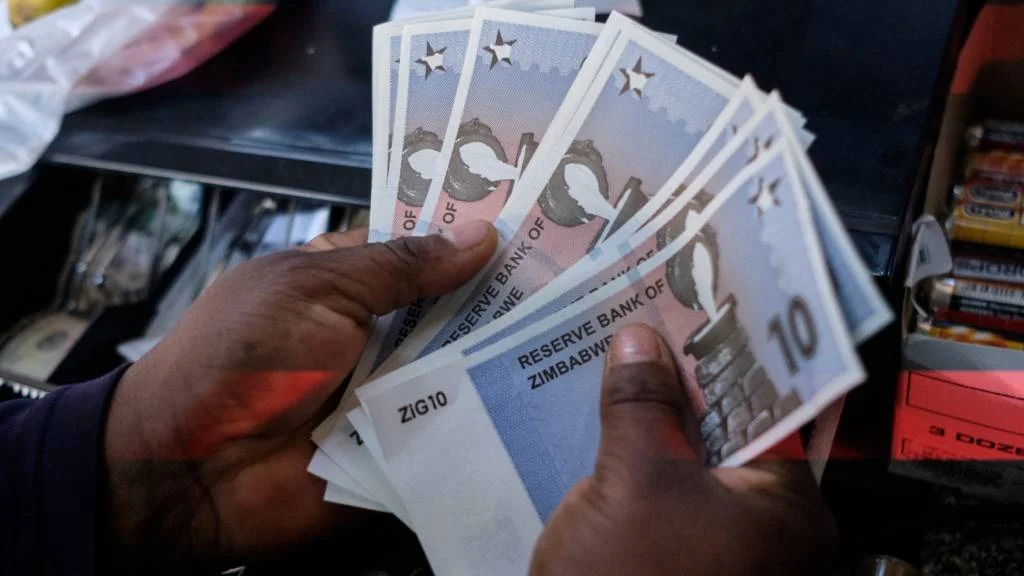
This period of stability culminated in April of last year with the introduction of the gold-backed ZiG currency, which replaced the inflation-weary Zimbabwe dollar. The country’s progress is now reflected in its compliance with 37 of the FATF’s 40 recommendations, one of the best ratings in the SADC region.
The positive impact of these reforms was recently underscored by a visit from Nigerian billionaire Aliko Dangote, who signed a US$1 billion investment deal with the Government. Mr Dangote cited President Mnangagwa’s currency reforms and sound economic policies as key reasons for his confidence in Zimbabwe.
With the next round of FATF assessments approaching, the FIU is focused on maintaining this momentum.
In an interview this Friday, FIU Director General Mr Oliver Chiperesa confirmed that a team from the Eastern and Southern Africa Anti-Money Laundering Group (ESAAMLG) was in the country to assess Zimbabwe’s preparedness for the Third Round of Mutual Evaluations, scheduled to begin in June 2026.
Mr Chiperesa said while the previous assessment focused on building legal and institutional frameworks, the next round will measure the effectiveness of these measures in actually combating money laundering and terrorist financing.
“The ESAAMLG team met with political leaders and heads of key government institutions… to sensitise the country on the importance of the assessment and the importance of all stakeholders to be well prepared in order to avoid the country going back to the FATF grey list,” he said. All stakeholders unanimously agreed on the critical need to avoid re-listing, given its negative impact on foreign investment and banking relationships.
The stabilised economy, supported by the gold-backed ZiG, continues to show promise. Speaking recently at a pre-budget seminar in Bulawayo, Professor Ncube acknowledged public concerns over limited ZiG cash and stated the government is working to improve its circulation.
The government is implementing a range of measures to promote the wider use of the ZiG, including enforcing its mandatory acceptance for local transactions, expanding access to ZiG-denominated banking platforms, and ensuring the availability of smaller denominations. This is underpinned by the RBZ’s tight monetary policy and increased gold and foreign currency reserves.
With the World Bank and the International Monetary Fund projecting a 6 percent economic growth rate for Zimbabwe this year, the country is currently the fastest-growing economy in the SADC region, signalling a potential turning point driven by the ongoing financial reforms.-herald