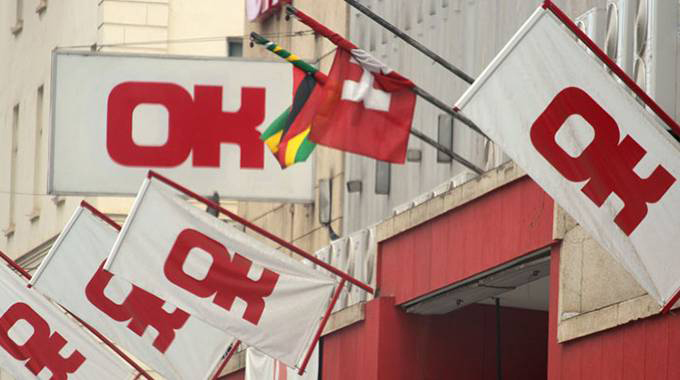
OK Zimbabwe Limited (OK) has closed a total of 11 stores in a sweeping consolidation drive aimed at curbing losses and easing liquidity pressures.
DEBT-STRAPPED retailer, OK Zimbabwe Limited (OK) has closed a total of 11 stores in a sweeping consolidation drive aimed at curbing losses and easing liquidity pressures.
The store closures have effectively reduced its national store count to 62.
Since last year, the group has been dealing with a serious revenue decline, which OK attributed to supply chain disruption, unstable exchange rates, a liquidity crunch, declining consumer spending and heightened competition from the informal sector.
These challenges led to the group being saddled with debt of over US$30 million, which it is dealing with through the successful capital raise of US$20 million through a renounceable share rights offer and selling freehold properties to raise US$10,5 million.
OK reported a loss of US$25,03 million for its audited financial year ended March 31, 2025, a sharp deterioration nearly 40 times worse than 2024, confirming the group’s worsening finances.
“The group has closed 11 stores which were no longer viable. Included in the 11 stores are three Food Lover’s Market outlets, which were wound down, and the franchise was not renewed.
“Three more stores are in the process of being closed. The company will continue to operate 62 that are in strategic and good locations,” OK said in its latest market update.
“Close monitoring continues, and stores that cease to contribute meaningfully will also be closed.
“The Chisipite Shopping Centre is being redeveloped into a bigger mall and the Bon Marche supermarket will be relocated to a newly constructed facility at the redeveloped centre.
“OK Makoni is currently a very small store that cannot carry a meaningful product range.”
OK said a new and more spacious store had been constructed for the group to lease at Makoni Shopping Centre, which would give the outlet a better chance to compete for business in this busy location.
“Product supplies are being directed to stores in good locations that can improve stock turn and liquidity generation. Following the reduction of the number of stores, the head office support staff has also been reduced, and this exercise continues,” OK said.
“Operating costs have been reduced by 35% and will have been reduced by a further 15% by December 2025. The group has also closed the loss-making pharmacy business.”
The audited results on the loss-making position for the year ended March 31, 2025 was an improvement of 15,5% from the initial unaudited loss of US$29,61 million first reported by OK.
Further, the audited loss narrowed quite significantly when examining the 2024 annual comparative to US$619 367 from an initial unaudited loss report of US$11,04 million.
“The property sales have taken longer than expected to materialise, and as a result, the US$10,5 million funding has not yet been realised,” OK said.
“Sale and purchase agreements on two of the properties are about to be signed, while offers on other three are being reviewed.
“Efforts to dispose of the other properties and improve liquidity continue.”
OK said the interim management team engaged with all suppliers to agree on amounts owing as at the end of February 2025 and put in place a settlement plan from the funds raised by the company and from operations.
“The suppliers agreed to a partial settlement, after which supplies to the company would resume.
“Unfortunately, trading terms that are in place have not allowed adequate stock build-up to support the required level of activity,” OK said.
“Engagements with suppliers continue to improve credit extension periods and to build up the range of stock available.
“We appeal to all our suppliers to work with us during the summer trading season — our success is your success!”
The group said it would continue to rationalise operations down to a core retail focus.
“However, the level of revenue generation remains below break-even levels.
“The major constraints are limited product supply due to liquidity issues, as well as short trading terms.” -newsda