THE Government says it remains committed to improving the livelihoods of millions of Zimbabweans through sustained economic growth, macroeconomic stability and disciplined fiscal and monetary management.
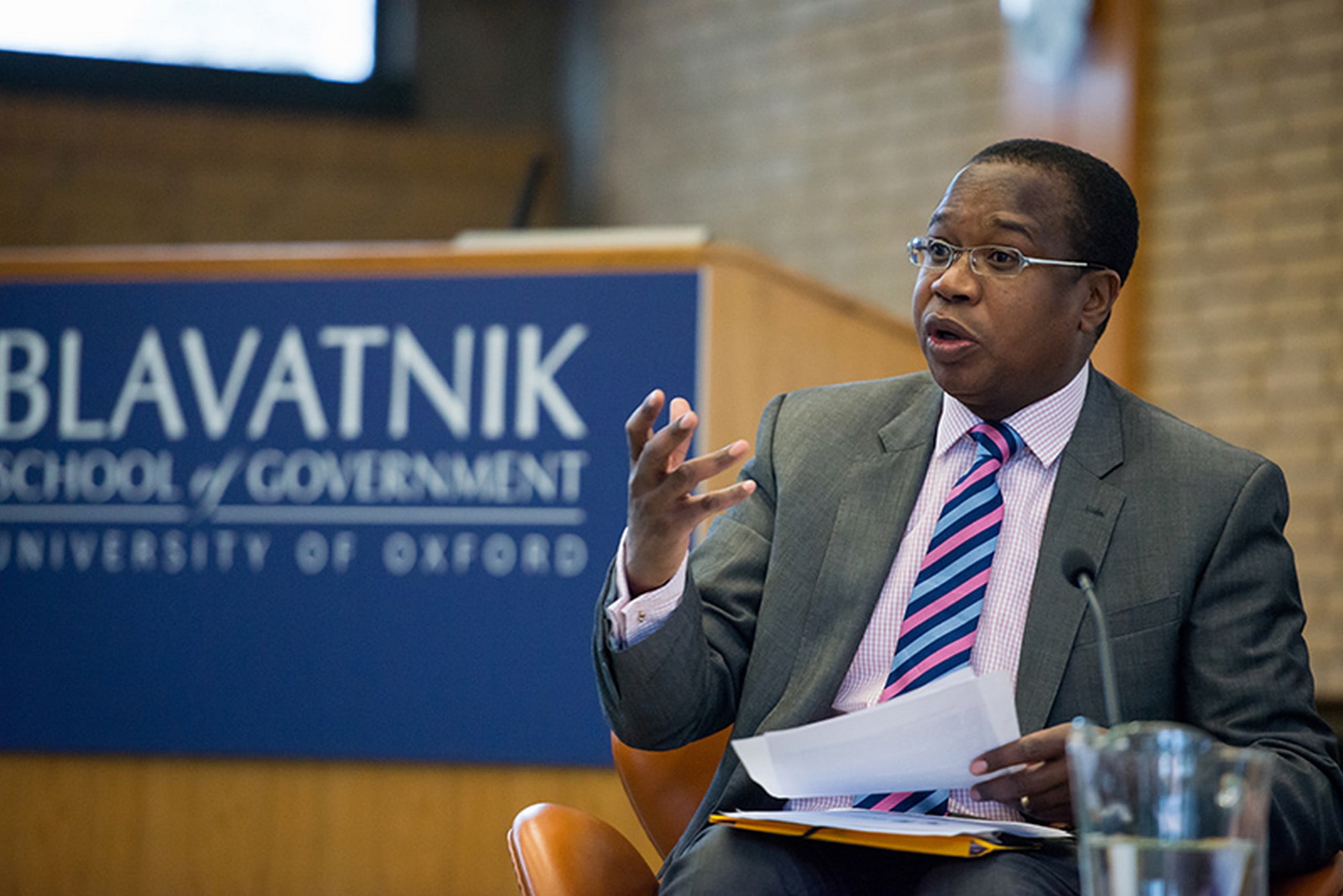
Finance, Economic Development and Investment Promotion Minister Mthuli Ncube said this in a presentation delivered on his behalf by the chief director in the ministry, Mr Joseph Mverecha, during a public lecture hosted by the Zimbabwe National Defence University (ZNDU) yesterday.
The lecture was held under the theme, “An Assessment of the ZiG Performance in Driving Economic Transformation.”
Minister Ncube said that the foundation for sustained economic growth rested on expanding Gross Domestic Product (GDP), maintaining macroeconomic stability, anchored by low inflation, and stable and disciplined monetary management.
Zimbabwe’s economic growth has averaged 5,58 percent over the past five years, despite the negative impact of a devastating drought in 2024, the minister noted.
Going forward, the minister said, the Government planned to achieve an economic growth of between 7 and 9 percent to reach the per capita income levels targeted under Vision 2030, of an upper middle-income country.
The country’s per capita income is forecast to rise to US$3 300 in 2025 from US$2 893 in 2024, driven by strong real GDP growth prospects of 6 percent.
He said part of the Government’s strategy to enhance the country’s economic growth included implementing structural transformation measures.
The structural transformation initiatives are anchored on industrialisation, digitalisation, value addition and beneficiation of local endowments.
The Government has made significant headway in stabilising the economy and lowering inflation through tight fiscal and monetary policies.
Already, the measures have dissipated stubborn inflationary pressures of the past, in line with the Government’s policy target of domestic currency inflation of about 30 percent by the end of this year.
The Government of Zimbabwe is implementing key business regulatory reforms that are expected to streamline business operating costs, foster a friendlier business environment and drive stronger economic growth
Minister Ncube noted in his presentation that these efforts are meant to improve the quality of life of ordinary Zimbabweans across the country.
He pointed out that the Government was aware of the socio-economic challenges affecting citizens, particularly in rural and peri-urban communities, where poverty, housing shortages, and limited access to healthcare and education remain major concerns.
“Low and stable inflation is not an end in itself. Our critical objective is to uplift the living standards of millions of our people. We are very much alive as a ministry, as a government of Zimbabwe, and many of our people are struggling.
“There are serious levels of poverty in the rural communities, peri-urban, sprawling peri-urban, accommodation and housing issues, access to health and education.
“These are key and critical issues that will be addressed by the government of Zimbabwe. But that can only happen if we can sustain the increase in GDP, and also adopt measures for structural transformation and inclusive growth,” said Minister Ncube.
He noted that the Government has a responsibility to grow the economy to ensure the equitable distribution of resources and create an environment that provides equal opportunities for all.
“We are building a resilient and inclusive economy that leaves no one behind, one that promotes access to education, employment creation and improved standards of living,” he said.
Minister Ncube also noted that fiscal and monetary authorities had taken bold steps to restore discipline in the economy, resulting in stability in both the exchange rates and prices.
He said excessive money supply growth had been curtailed through a tight monetary policy framework, while the Treasury had also refrained from borrowing from the central bank.
“We have implemented a disciplined policy framework that has helped contain inflation and stabilise the local currency over the past 12 months.
“In the past, we allowed some excessive growth in the money supply, and we have corrected that. Since September 2024, authorities have implemented a significantly tightened monetary policy framework.
“At the same time, fiscal authorities also have refrained from borrowing from the central bank, which has given us the current stability we have.”
According to the latest data from the Zimbabwe National Statistics Agency (ZimStat), the country’s economy continues on a growth path anchored by the five largest sectors, which now account for about 62 percent of total GDP.
The manufacturing sector leads with 15,3 percent, followed by mining (14,5 percent), wholesale and retail trade (11,9 percent), financial services (10,8 percent), and agriculture (9,3 percent).
Minister Ncube also noted that Zimbabwe’s debt-to-GDP ratio, currently at 45,46 percent, remains within sustainable levels, creating some fiscal space to support social and economic programmes aimed at uplifting livelihoods.-herald