
AGRICULTURAL experts are increasingly calling on farmers to adopt the use of biofertilisers and biopesticides to promote sustainable agriculture, improve food production and protect the environment.
Globally, there are growing concerns over the negative effects of excessive use of synthetic fertilisers and chemical pesticides, including soil degradation, water pollution and the destruction of beneficial organisms.
This was revealed in a panel discussion on Environment, Agriculture and Ecovillages at the 12th International Conference on Appropriate Technology (ICAT) being held at the National University of Science and Technology (NUST) on Tuesday.
NUST Associate Professor in the Department of Agricultural Genetics and Cell Technology within the Faculty of Agricultural Sciences, Professor Taurai Mutanda, said biofertilisers and biopesticides build climate-resilient agriculture.
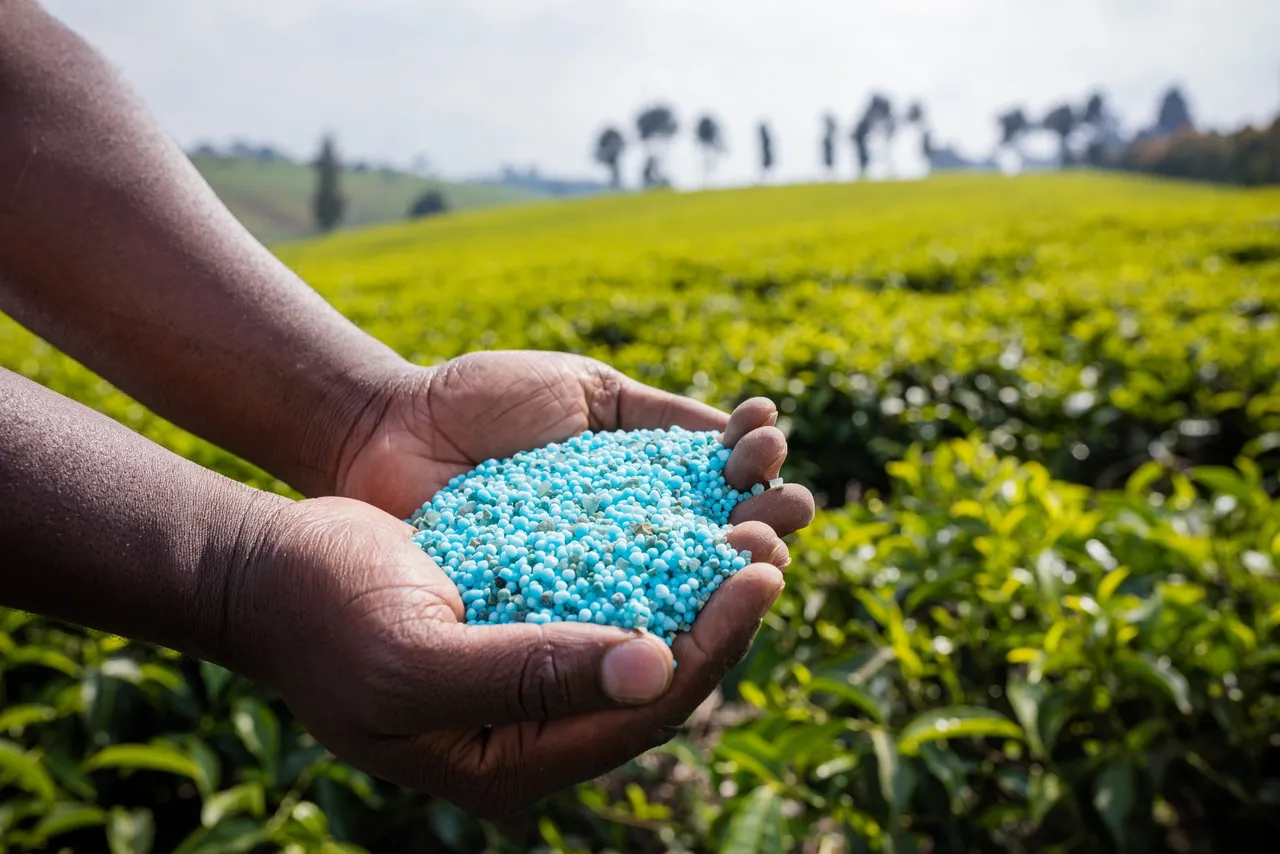
“Biofertilisers and biopesticides offer environmentally friendly alternatives by improving soil fertility, enhancing plant growth and controlling pests and diseases through naturally occurring microorganisms and biological substances.
“It is important to adopt these biological products to reduce dependence on harmful agricultural chemicals, improve crop productivity, protect biodiversity and ensure long-term food security. Their adoption is particularly important in promoting climate-smart agriculture and sustainable farming practices,” he said.
This comes at a time when Zimbabwe’s agricultural sector faces a significant challenge as the country prepares for the 2026/2027 summer cropping season, with the anticipated El Niño phenomenon raising concerns over below-normal rainfall, prolonged dry spells and high temperatures.
He said embracing sustainable and climate-smart agricultural practices could help improve soil health, enhance nutrient availability, promote healthy crop growth and manage pests and diseases while reducing dependence on synthetic agricultural chemicals.
Although they cannot prevent drought, their integration with conservation agriculture, drought-tolerant crops, water harvesting and efficient irrigation can strengthen farmers’ resilience to climate change.
Prof Mutanda added: “On the affordability of biofertilisers, yes, people want to make money — that is what people do. So what we try to do, as I indicated, is that we work with rural farmers. We do basic training for them to be able to make their own fertilisers. Especially for those who have small plots, we train them in composting, which is actually a process of making a biofertiliser.”
He said there were many microorganisms involved, undergoing all the metabolic processes which would actually assist in soil fertility.
Prof Mutanda encouraged farmers to make their own biofertilisers so that they are affordable, as the bioinoculants being marketed are expensive for smallholder and rural farmers.
“So training is basic. We have to go out there with our students to train rural farmers on how to do some of these things using our scientific knowledge. On biosafety, in the work that we do in our licensed laboratories, we adhere to national guidelines as stipulated.
“When it comes to biosafety, we have four levels. The levels of our laboratories are the containment from biosafety level one up to biosafety level two,” he said.
He said that in their operations, especially when they look at the bioinoculants that they use and some of the microorganisms that they obtain from the environment, they work under biosafety level one.
Prof Mutanda said that containment is for microorganisms that are not pathogenic, while for all the microorganisms that they take from the environment, they consider them to be harmless.
International Network on Appropriate Technology (INAT) Founding Member Engineer Brian Stephenson, a civil engineer and social impact entrepreneur, called for agricultural projects that are planet-friendly.
“It has to be people-empowering for it to be appropriate. It’s your intention: are you designing something to personally get rich for your own benefit, and you are not thinking about the community?
“If you are thinking about the community, you are thinking public health, long-term and not short-term, because many technologies are now just considering making the money now and they will be gone before the consequences come; the next generation will have to deal with it,” he said.
He said intention was very important in appropriateness and that, as an engineer, technologist and participant in a company applying technology, one could have a conscience and make a choice that uplifts communities and does not harm them.
“The best minds went into genetically modified organisms (GMOs), but the intention was global domination of agriculture for a few. The United States of America (USA), where I live, is not a food-sovereign nation.
“Fewer than nine companies control the entire food chain. Ninety-nine per cent of the agricultural land in the US is controlled by corporations, and so most Americans have no idea where their food comes from, what went into the cow or what went into the chicken; we just eat it,” he added.
Eng Stephenson said food sovereignty is appropriateness, challenging Zimbabwe to define what is appropriate for its communities.
The four-day event is running under the theme: “Harnessing Appropriate Technologies for Sustainable Development: Empowering Communities, Bridging Gaps and Driving Inclusive Growth.”
The event focuses on harnessing appropriate technology as a key strategy for achieving sustainable development by empowering communities, bridging socio-economic divides and driving inclusive growth.
Unlike high-cost, capital-intensive technology, “appropriate technology” is people-centred, environmentally sustainable and economically viable, enabling communities to gain greater self-reliance and control over their own development.-herald