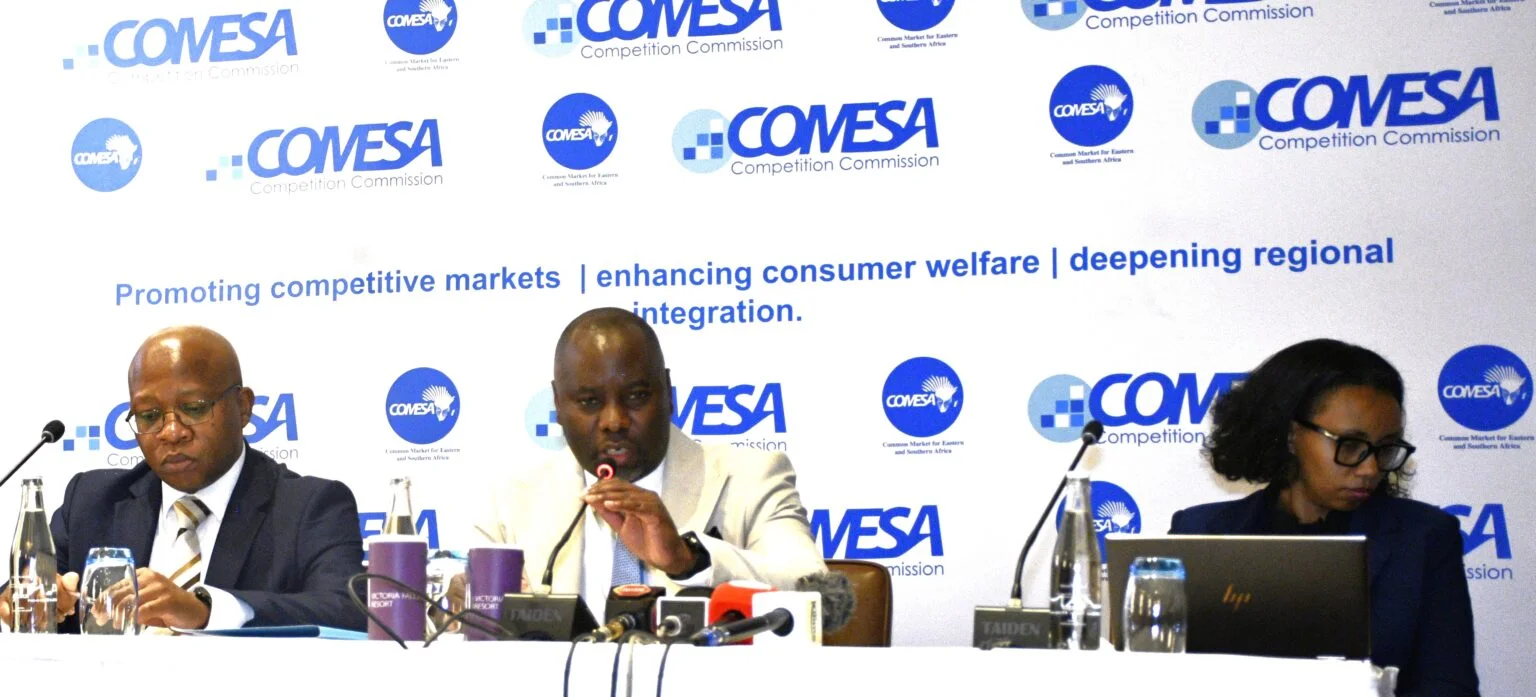
ABOUT 60 percent of goods traded in Africa are counterfeits, with nearly half (42 percent) being medicines, according to the Common Market for Eastern and Southern Africa (Comesa) Competition Commission (CCC).
As a result, more than 100 000 people die annually in Sub-Saharan Africa directly due to the consumption of falsified medication. This alarming statistic emerged during the Annual Consumer Conference held in Bulawayo last week, organised by the Consumer Protection Commission.
The conference ran under the theme: “Combating Proliferation of Counterfeit Products for Enhanced Industry Competitiveness and Consumer Safety for the Realisation of Vision 2030.”
Africa’s growing challenge of fake products stems from a combination of factors: economic pressures such as poverty and a rising middle class, weak enforcement due to porous borders and corruption, inadequate consumer awareness, and the exploitation of liberalised trade policies by counterfeiters.
These conditions create a market ripe for cheap goods, while limited resources and technology make it difficult for authorities to curb the influx of fakes.
In Zimbabwe, counterfeit medicines pose severe health risks, while fake products in general inflict significant economic damage on legitimate businesses and the national economy.
In his presentation on CCC consumer welfare and advocacy, Mr Steven Kamukama — representing CCC director Dr Willard Mwemba — highlighted the gravity of the problem.
“The situation is bad in Africa. Up to 60 percent of goods traded are counterfeit, and 42 percent of that, in terms of medicine, is in Africa. Medicine is a serious problem. It kills directly about 100 000 people in Africa, but indirectly, it kills about 500 000 people simply because they are taking the wrong medicine. You take the wrong medicine, it fails to treat malaria or other conditions, and you end up dying just because you took the wrong medicine. Counterfeit is contributing to that problem,” said Dr Mwemba.
Counterfeit products are therefore a double-edged sword — undermining economic growth while endangering consumer health.
Dr Mwemba also revealed that an estimated six percent of electronic goods traded within Africa are counterfeits, contributing about 2,9 million tonnes of waste.
To tackle the challenge, CCC has established the Comesa Competition Regulations, which provide for consumer protection and prohibit false and misleading representations. These regulations also ban the supply of ineffective and unsafe products.
“The best practice for us is to have an effective legal framework. In most cases, we have the laws in place. In some countries, some Comesa member states don’t even have the law in place. We are happy that about five years ago, Zimbabwe enacted one. But we need a more effective law.
“Where the law itself is not yet effective, we need to amend it to capture current dynamics. And the law alone is not enough. We also need effective institutions with adequate resources and technical experts to enforce the law,” said Dr Mwemba.
Zimbabwe’s consumer protection laws, primarily governed by the Consumer Protection Act of 2019, aim to ensure fair trade practices, protect consumer rights and establish a transparent marketplace.-herald