THE Ministry of Women Affairs, Community, Small and Medium Enterprise Development, in partnership with the International Labour Organisation (ILO), has trained more than 1 000 small‑business owners in essential financial‑management skills, a move officials say will drive growth, job creation and formalisation across the sector.
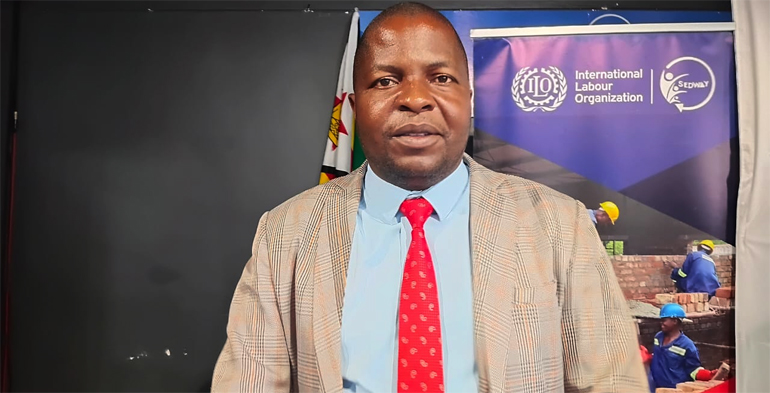
Speaking at a graduation ceremony for over 200 participants in Mutare this week, ILO national project officer, Mr Fortune Sithole said the programme is already delivering tangible results.
The initiative, rolled out over the past year, combines classroom instructions with hands‑on workshops on budgeting, record‑keeping, cash‑flow analysis and access to credit, targeted at women‑led enterprises and youth‑owned start‑ups, reflecting the ministry’s focus on inclusive economic empowerment.
The partnership with the ILO aligns with the Government’s broader strategy to boost productivity in the Small and Medium Enterprise (SME) sector by equipping entrepreneurs with these skills, laying the groundwork for a more robust, job‑rich economy.
“This initiative, implemented by the International Labour Organisation in partnership with the Ministry of Women Affairs, Community, Small and Medium Enterprises Development, with support from the African Development Bank (AfDB), seeks to strengthen national capacities to deliver quality financial education and business management across all sectors of society.
“1 017 entrepreneurs have so far been trained in Manicaland, Masvingo, Mashonaland East and Bulawayo provinces to improve business management, resilience and growth, from a target of 1 000. These entrepreneurs have generated 2 246 jobs, surpassing the target of 1 000, and have transferred the acquired skills to their employees. 80 percent of the businesses that benefited from the training are expanding into new business lines, indicating growth.
“80 percent of enterprises have sustained operations for over a year, showing resilience and sustainability. 50 percent were supported in formalising their businesses, implementing systems like QuickBooks, point‑of‑sale, and registration with local authorities and the Zimbabwe Revenue Authority. Entrepreneurs have managed to access new market opportunities through linkages with value‑chain actors locally and internationally, using platforms such as COMESA’s 50 Million African Women Speak, the Zimbabwe International Trade Fair, the Manicaland Agricultural Show and meetings with private‑sector players,” said Mr Sithole.
Manicaland provincial development officer in the Ministry of Women Affairs, Community, Small and Medium Enterprises Development, Mr Gabriel Jaji said entrepreneurs are playing a key role in the economy, making significant contributions in sectors such as agriculture, mining, manufacturing and retail.
“As a ministry, we want to build the capacities of entrepreneurs so that they can respond to current economic trends. Small businesses are the bedrock of national economic development. They contribute about 60 percent of national GDP. In terms of employment creation, they employ more than 80 percent of the formal labour force.
“For the nation to attain upper middle income status, there is need for SMEs participation. Most of the trained people were under the age of 35, who are the future of the nation.
‘‘We gave them technical skills to start their businesses and to expand. We exposed them to financial and market linkages. They are now in a position to contribute to the national fiscus because at the moment they contribute less than 20 percent to the fiscus,” said Mr Jaji.-herald