Zimbabwe’s rationalisation of tourism licencing fees constitutes a pivotal supply-side reform, strategically engineered to sharpen the sector’s regional competitiveness and stimulate high-value investment.
By lowering the fiscal barriers, analysts are confident the move will boost foreign direct investment (FDI), accelerate the integration of informal operators into the mainstream value chain, unlock the capital necessary to modernise hospitality facilities and elevate the visitor experience.
This is part of the Government’s extensive business reform programme to enhance the “Ease of Doing Business” and foster a more conducive, transparent and cost-effective environment.
The major reforms include streamlining company registration, simplifying property transfers, improving credit access and reforming key economic pillars like retail, tourism and agricultural sectors by eliminating redundant permits and lowering costs.
The review also entails slashing licensing fees, simplifying bureaucratic procedures for small and medium enterprises and promoting digitalisation across the key sectors of the economy.
The Government recently gazetted regulations to support the review of business conditions in the tourism sector, including the slashing of licensing fees by as much as 50 percent for some categories.
For instance, registration fees for five-star hotels were slashed from US$5 250 to US$2 000.
Aircraft registration fees were cut from between US$500 and US$1 000 to US$20.
Fees for guesthouses were reduced from US$500 to US$150 and ancillary services like restaurants and travel agencies saw their fees cut from US$305 to US$100. External tour operators now pay US$1 500 from US$3 000.Best vacation packages
Some fees have been completely abolished where duplication existed across multiple state agencies. The latest fees have been met with widespread acclaim from industry players.
Stakeholders contend the move will unlock critical capital for infrastructure upgrades and significantly improve Zimbabwe’s competitiveness against regional peers like South Africa, Botswana, and Kenya.
Many hotels and lodges were struggling to maintain the “ambience” and international standards of their facilities due to high regulatory costs.
Discover more
Harare
National news updates
National parks tour packages
With the financial burden eased, operators can now deploy resources towards infrastructure upgrades, enhancing service delivery to match international must-visit status and increasing visibility in competitive global markets.
“The effect on the tourism ecosystem has a broad effect on the wider economy,” Dr Emmanuel Fundira, the president of Safari Operations Association of Zimbabwe (SOAZ), said.
“By slashing the fees for businesses like hotels, the Government has directly lowered operational costs across the sector. This strategic move allows companies to keep more of their earnings, which can now be reinvested into urgent infrastructure repairs that were previously neglected, helping to restore the high-quality ambience the guests expect.
The saved funds can also be redirected towards vital areas like marketing, staff development, and business expansion.”
Dr Fundira underscored the elimination of redundant and overlapping fees as a pivotal reform.
By consolidating the payment structure, the Government has removed the requirement for businesses to pay multiple authorities for the same services.
Discover more
Africa news coverage
City of Harare
Business news insights
The simplified regulatory environment, coupled with reduced fiscal overheads, lowers the barriers to entry for new entrepreneurs
For years, tourism operators have struggled under a “labyrinth of permits,” often paying overlapping fees to various authorities, including ZimParks, local government, and other State agencies.
Economic analysts Mr Musara noted that reduced fees also serve as a strategic incentive for informal operators to formalise, as previous high-cost barriers made official registration prohibitive.
He emphasised that formalisation naturally drives service excellence by ensuring compliance with established standards.
Consequently, a predictable and affordable licensing framework is expected to trigger a surge in SME participation — particularly within the niche markets of cultural and ecotourism — ultimately generating thousands of jobs across the tourism value chain.
“Through the establishment of a stable and cost-effective licensing regime, we anticipate a significant expansion in SME involvement . . . anchored in the cultural and ecotourism sectors — to catalyse thousands of new employment opportunities throughout the tourism value chain,” he said.
Discover more
Agricultural equipment sales
World Cup news
Album debut announcement
Dr Fundira, former ZTA chairman, noted that the digitalised processes were set to eliminate the unnecessary delays that saw license renewals taking up to six months.
“We are becoming more competitive in our licence regime in the region. I am talking about where we have now benchmarked ourselves with countries like South Africa, Kenya, and Botswana, who are really giving us a run in terms of that competitiveness. And the consolidation…of these permits, and also the new thinking in terms of using ICT and digitalising processes, really takes away the delays we have always experienced in issuance of licences,” he said.
The policy shift comes as Zimbabwe celebrates its recent status as a Forbes “Must-Visit” destination. By benchmarking its fee structure against regional alternatives, the country is positioning itself to reclaim lost momentum in sectors like self-drive tourism and international safari bookings.
Authorities believe that as local operators show confidence by reinvesting their savings, FDI will naturally follow, solidifying tourism’s role as a top foreign currency earner alongside mining and agriculture.
“We now have a predictable licence regime, which makes Zimbabwe a more attractive destination, both for domestic and foreign investors,” said Dr Fundira.
“Foreign investors only come to a destination when they can see real activity happening from domestic investments. Local operators, if they are putting in more money, they’re showing confidence, and foreigners can also piggyback on that and participate in those areas.”
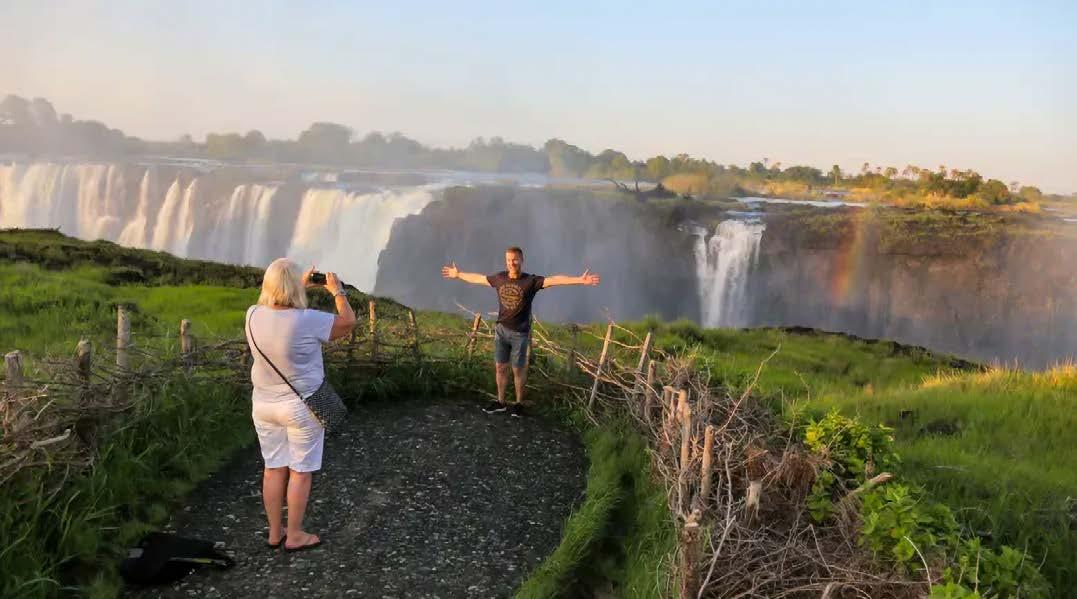
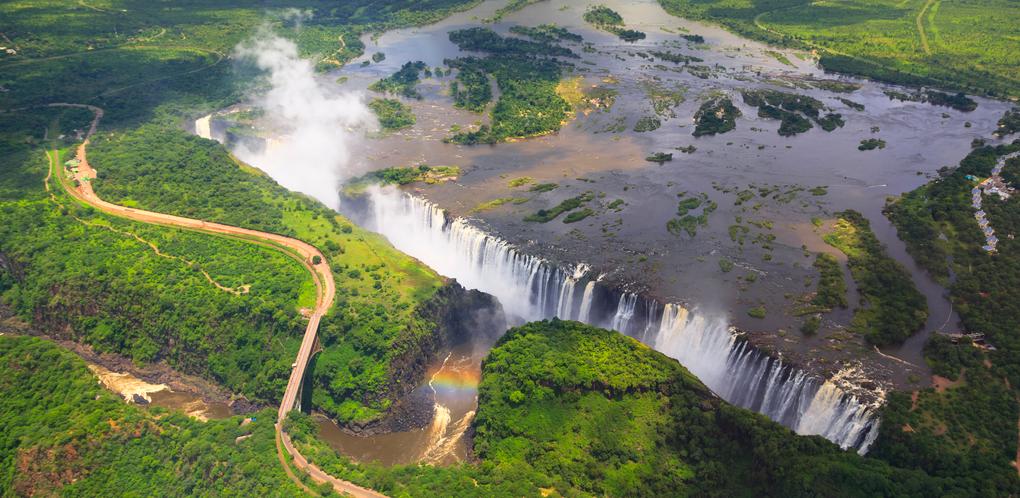
Zimbabwe is a top-tier African destination famous for the Victoria Falls, its vast wildlife in Hwange National Park, and its rich history at Great Zimbabwe.
Currently, the industry is the third-largest pillar of the economy, generating over US$1 billion annually.
The Government’s goal is to grow the sector by making the country more affordable for tourists and easier for investors to do business.-newda